
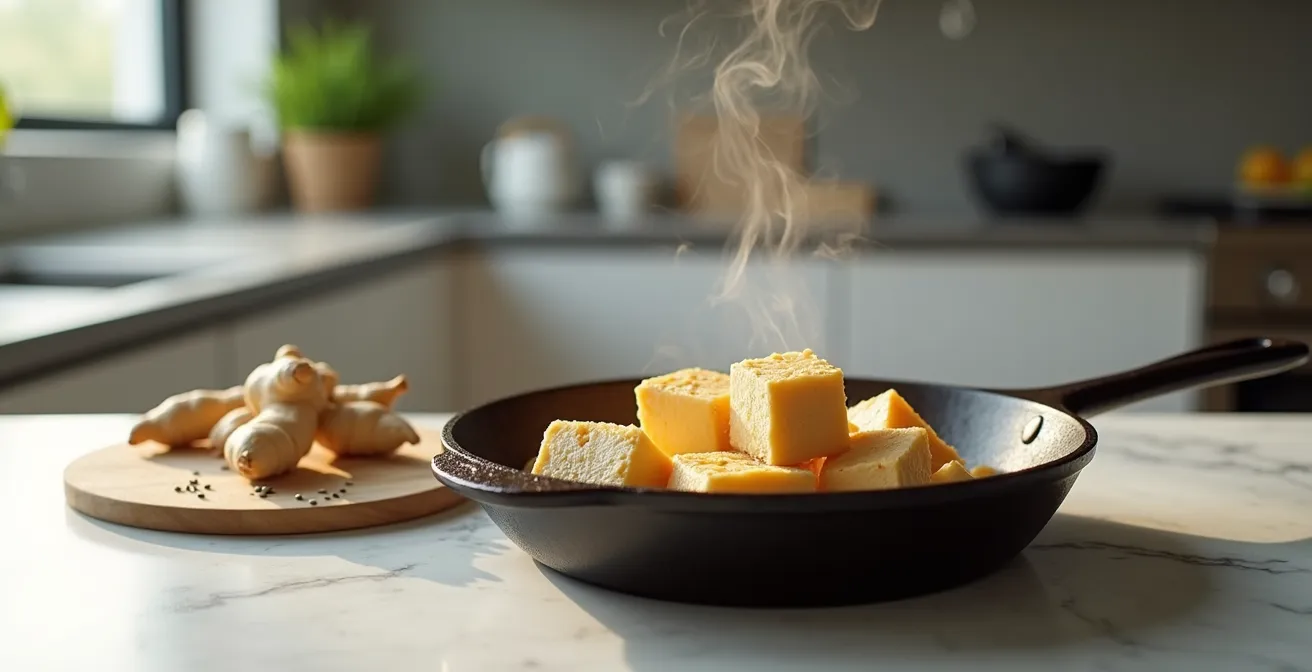
The secret to delicious tofu isn’t just a good marinade; it’s mastering texture transformation and flavor science to create a genuinely satisfying, meat-like experience.
- Freezing tofu before cooking fundamentally changes its cellular structure, making it chewier and far more absorbent.
- Building “umami bombs” with ingredients like miso and mushrooms creates a deep, savory flavor that mimics meat far better than soy sauce alone.
Recommendation: Before you try another complex recipe, simply freeze, thaw, and press a block of extra-firm tofu. The textural difference will convince you.
For many omnivores curious about reducing their meat intake, tofu is the first, and often last, stop. The experience is frequently disappointing: a bland, rubbery cube swimming in a thin sauce that fails to deliver any real satisfaction. The common advice—”press it well” and “marinate it for hours”—rarely seems to solve the core problem. It still feels like a compromise, a pale imitation of the hearty textures and deep flavors you’re used to.
But what if the issue isn’t the tofu itself, but our entire approach to it? What if, instead of treating it like a simple sponge, we treated it like a piece of culinary engineering? The key to unlocking truly delicious tofu, the kind that can genuinely stand in for chicken or beef, doesn’t lie in a single magic recipe. It lies in understanding the science of texture transformation and the art of building complex flavor architecture. It’s about fundamentally changing the material before you even think about seasoning it.
This guide moves beyond the basics. We’ll explore the scientific reason why freezing is the ultimate texture hack, how to construct deep, savory “umami bombs” that go far beyond soy sauce, and how to navigate the world of plant-based substitutes to make choices that are good for both your heart and your taste buds. We will even cover crucial nutritional considerations, like the B12 trap, and practical kitchen skills to ensure every part of your plant-forward meal is cooked to perfection. Prepare to rethink everything you thought you knew about tofu.
For those who prefer a visual guide, the following video showcases some of the incredible and delicious results you can achieve when you master a few key tofu techniques.
This article is structured to guide you from foundational principles to advanced applications. You will learn not just what to do, but why it works, empowering you to create delicious plant-based meals without relying on recipes. Explore the topics below to master the art of the perfect meat substitute.
Summary: A Culinarian’s Guide to Mastering Plant-Based Meat Substitutes
- Why Does Freezing Tofu Change Its Texture To Resemble Chicken?
- How To Use Miso And Mushrooms To Build Deep Flavor Bombs
- Impossible Burger Vs Black Bean: Which Is Healthier For Your Heart?
- The B12 Trap: Why You Can’t Get Everything From A Vegan Diet
- In Which Order To Sauté Veggies So Everything Is Done At The Same Time
- How To Eliminate Gluten And Dairy For 2 Weeks Without Starving
- The Temperature Trap: Why Fermenting In Summer Speeds Up Spoilage
- The Anti-Inflammatory Diet: How To Regain Energy Within 14 Days?
Why Does Freezing Tofu Change Its Texture To Resemble Chicken?
The single most transformative technique for improving tofu has nothing to do with a press or a marinade—it happens in your freezer. If you’ve ever had tofu at a restaurant with a surprisingly chewy, layered, and porous texture, it was almost certainly frozen first. This isn’t a myth; it’s a simple application of food science that fundamentally alters the tofu’s internal structure.
Tofu is primarily a network of soy protein coagulated and suspended in water. When you freeze it, the water inside this network expands and turns into sharp ice crystals. These crystals act like tiny knives, puncturing and shredding the delicate protein structure, creating countless small holes and pockets. When you thaw the tofu, this water melts and drains away with incredible ease, doing a far more effective job than mechanical pressing ever could. In fact, after freezing and thawing, you can often just gently squeeze the block by hand to expel a surprising amount of liquid.
The result of this texture transformation is a new material. It’s no longer a dense, smooth block but a spongy, porous one. This new cellular structure is the key to both texture and flavor. The chewiness of the resulting tofu is significantly more substantial and satisfying, closely mimicking the bite of cooked chicken. Furthermore, these new pockets are empty vessels, ready to greedily absorb any marinade or sauce you introduce, ensuring the flavor penetrates deep into the center rather than just clinging to the surface.
How To Use Miso And Mushrooms To Build Deep Flavor Bombs
Once you’ve mastered texture, the next frontier is flavor. For many, “flavoring tofu” means dousing it in a mix of soy sauce, ginger, and garlic. While classic, this approach often fails to create the deep, savory, and complex taste profile that makes meat so satisfying. To truly elevate your plant-based cooking, you need to think like a chef and build flavor architecture using umami bombs.
Umami is the fifth basic taste, often described as savory or meaty. It’s what makes aged cheeses, seared steaks, and rich broths so deeply satisfying. Miso paste (fermented soybean paste) and shiitake mushrooms are two of the most potent plant-based sources of umami. By combining them, you create a flavor base that is exponentially more powerful and complex than soy sauce alone. The mushrooms provide an earthy depth, while the fermented miso adds a salty, funky complexity that hits all the same notes as slow-cooked meat.
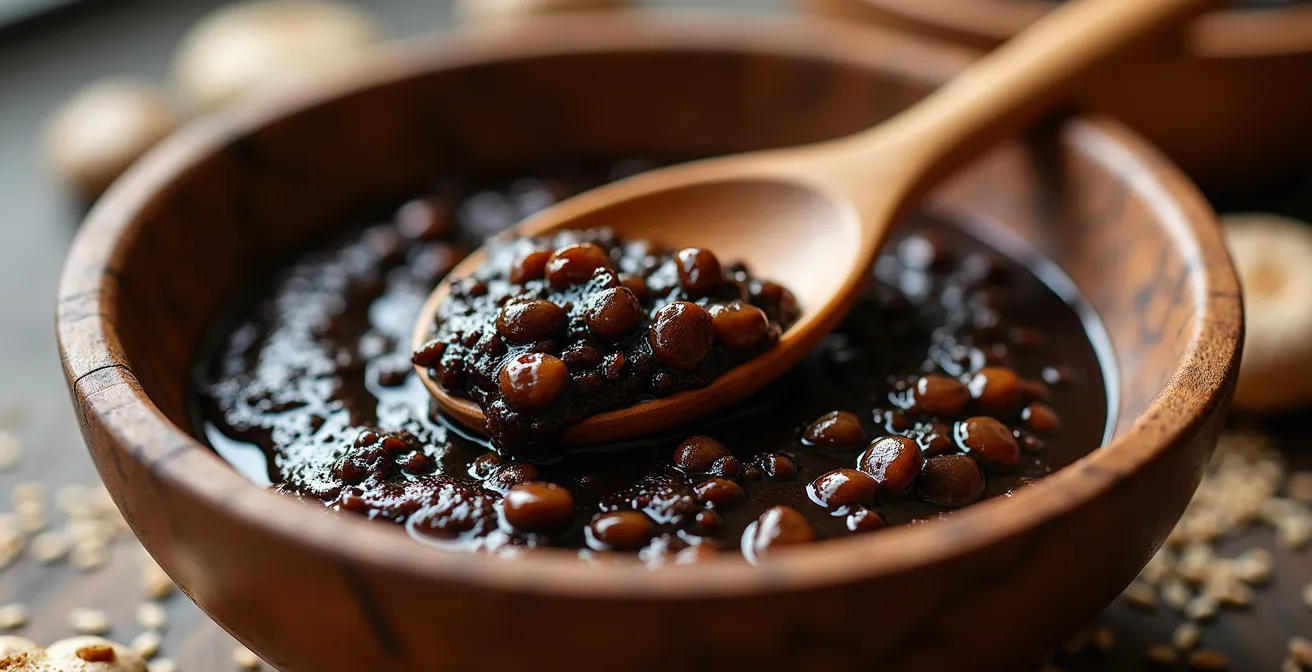
The goal is to create a thick paste or “rub” rather than a thin marinade. This concentrated flavor bomb can be smeared directly onto the surface of your freeze-thawed tofu before searing or baking. The heat caramelizes the sugars in the miso and deepens the mushroom flavor, creating an intensely savory crust that is worlds away from a simple soy marinade. This method ensures the flavor is bold and on the surface, where your palate detects it first, creating a powerful first impression.
Your Action Plan: Create an Umami-Rich Tofu Flavor Bomb
- Sauté finely diced shiitake mushrooms with aromatics like garlic and shallots until they are deeply caramelized and have released all their moisture.
- Create a flavor paste by combining the cooked, minced mushrooms with a quality miso paste (white for milder, red for bolder flavor).
- Prepare your tofu by pressing it firmly, then using the freeze-thaw method for optimal texture and marinade absorption.
- Apply the miso-mushroom paste directly onto all surfaces of the prepared tofu, working it into any cracks or crevices.
- Sear the tofu in a hot pan to create a dark crust, then finish with a glaze made from miso, a little butter (or vegan butter), and water for maximum flavor adherence.
Impossible Burger Vs Black Bean: Which Is Healthier For Your Heart?
The modern plant-based aisle is filled with options designed to mimic meat with startling accuracy. At the forefront are ultra-processed products like the Impossible Burger, which “bleeds” and sizzles like beef, and traditional whole-food options like the humble black bean burger. For the health-conscious omnivore, the choice isn’t always clear. While both are better than red meat from an environmental and ethical standpoint, their nutritional profiles tell different stories, especially concerning heart health.
The Impossible Burger achieves its meaty taste and texture through sophisticated food science, utilizing ingredients like soy protein isolate, coconut oil for fat, and genetically engineered heme for its “bleeding” effect. A black bean burger, in its basic form, is simply black beans, grains, and spices. As the Center for Nutrition Studies notes in their guide, chefs are constantly innovating with whole-food options:
Bean burgers are still common on restaurant menus, and chefs are getting more creative with making them ‘meatier’
– Center for Nutrition Studies, Healthy Plant-Based Meat Substitutes Guide
While the Impossible Burger might win on pure mimicry, a closer look at the data reveals the benefits of whole-food integrity. The following table breaks down the key differences for heart health.
| Factor | Impossible Burger | Black Bean Burger |
|---|---|---|
| Saturated Fat | 8g (coconut oil based) | 0.5g (naturally occurring) |
| Sodium | 370mg per patty | 120mg (homemade) |
| Fiber | 3g (added) | 8g (whole food) |
| Processing Level | Ultra-processed | Minimally processed |
| Phytonutrients | Limited | Rich in anthocyanins, flavonoids |
The data is clear: the Impossible Burger’s reliance on coconut oil leads to a high saturated fat content, comparable to some beef patties. Its sodium level is also significantly higher. The black bean burger, on the other hand, is naturally low in both and boasts a high fiber content, which is crucial for cardiovascular health. It also retains the phytonutrients from the whole beans, which have anti-inflammatory and antioxidant properties. While both are valid choices, for optimal heart health, minimally processed, whole-food options remain the superior choice.
The B12 Trap: Why You Can’t Get Everything From A Vegan Diet
As you incorporate more plant-based meals into your diet, it’s empowering to focus on the abundance of nutrients you’re gaining from vegetables, legumes, and whole grains. However, it is critically important to be aware of what you might be missing. There is one essential nutrient that a purely plant-based diet cannot provide: Vitamin B12. This isn’t a sign of a deficient diet, but a simple biological fact that requires conscious management.
Vitamin B12 is produced by microorganisms, such as bacteria, not by plants or animals. In the past, humans and animals would get B12 from trace amounts on unwashed plants or in untreated water. With modern sanitation and hygiene, these sources have been eliminated. Animals get B12 from their food and gut bacteria, and it’s stored in their muscle tissue, which is why meat and dairy are reliable sources. Plants do not have a B12 requirement, so they don’t produce or store it.
The danger of B12 deficiency lies in its subtlety. A deficiency can lead to irreversible neurological damage, but the symptoms can be slow to appear and easily misattributed. Making matters more complicated, the liver can store B12 for up to 3-5 years, meaning someone can eat a fully vegan diet for a long time before any signs of trouble emerge. High folate intake from a plant-rich diet can also mask one of the earliest warning signs—a type of anemia—allowing the more severe neurological symptoms to develop unnoticed. For anyone reducing or eliminating animal products, a reliable B12 supplement isn’t just a good idea; it’s non-negotiable for long-term health.
In Which Order To Sauté Veggies So Everything Is Done At The Same Time
You’ve perfected your tofu, and now you’re ready to combine it with a vibrant mix of fresh vegetables in a stir-fry. This is where many home cooks falter. They throw all the chopped vegetables into the pan at once, resulting in a chaotic mix of overcooked, mushy zucchini and undercooked, crunchy carrots. The secret to a professional-quality stir-fry isn’t a high-powered wok; it’s a simple, methodical understanding of cooking time based on density.
Not all vegetables are created equal. Hard, dense root vegetables take much longer to become tender than delicate, leafy greens. To ensure every single component of your dish is perfectly cooked—tender-crisp, vibrant, and distinct—you must add them to the pan in stages. The general principle is to start with the hardest vegetables and finish with the quickest-cooking ones. This layered approach guarantees that by the time you add the final ingredients, the first ones are just reaching perfection.
Here is a simple timeline to follow for a perfectly synchronized sauté:
- Start with the Hardest (8-10 minute cook time): Begin by sautéing hard and dense vegetables. This group includes carrots, potatoes, sweet potatoes, and winter squash. Give them a head start of several minutes.
- Add the Medium-Density Veggies (5-7 minute cook time): Next, add vegetables that cook a bit faster. This includes broccoli and cauliflower florets, bell peppers, celery, and green beans.
- Incorporate the Soft & Quick-Cooking (2-4 minute cook time): Now it’s time for the soft vegetables that need very little time to cook. This group includes mushrooms, zucchini, yellow squash, and snap peas.
- Finish with the Wiltables (30-60 second cook time): The very last things to go in the pan are those that just need to wilt. This includes spinach, bok choy leaves, kale, and fresh herbs like basil or cilantro.
A pro tip for managing this process is to think about size. If you’re short on time, you can cook harder vegetables more quickly by dicing them smaller. A small dice of carrot can cook in roughly the same time as a large chunk of bell pepper, allowing you to combine stages if necessary.
How To Eliminate Gluten And Dairy For 2 Weeks Without Starving
For many people exploring a plant-based or anti-inflammatory diet, the journey often involves a temporary elimination of common allergens like gluten and dairy. The prospect can be daunting, conjuring images of deprivation and unsatisfying meals. However, the key to success isn’t about what you remove, but what you add in abundance. A two-week elimination challenge can be a delicious and fulfilling experience if approached with a strategy of “crowding out” rather than restriction.
Instead of focusing on the bread, cheese, and pasta you can’t have, the goal is to build meals so satisfying around vegetables, legumes, fruits, and well-prepared proteins that you don’t even miss the other things. This is where properly prepared tofu becomes an invaluable ally, providing a hearty, protein-rich base for countless dishes.
Case Study: The “Crowding-Out” Elimination Strategy
In a documented case, participants were tasked with eliminating gluten and dairy for two weeks. The strategy focused on abundance rather than restriction. A key technique involved using defrosted tofu that was briefly boiled in salted water for 2 minutes to create a firm, seasoned, and satisfying meal base. Participants built their meals around large portions of roasted vegetables, legumes, and these properly prepared tofu substitutes. The reported outcome was a high success rate, with most participants stating they experienced no significant feelings of deprivation because their meals were so flavorful and filling.
To make this process seamless, it helps to have a “cheat sheet” of satisfying swaps for common cravings. The goal is to replace the function or texture of the food you’re missing, not just find a pale imitation.
| Craving | Traditional Food | Satisfying Replacement |
|---|---|---|
| Creamy Pasta | Alfredo | Cashew cream sauce with nutritional yeast |
| Pizza | Cheese pizza | Polenta base with dairy-free pesto and roasted vegetables |
| Ice Cream | Dairy ice cream | Frozen banana ‘nice cream’ blended with cocoa |
| Sandwich | Wheat bread sandwich | Collard wrap or sweet potato toast |
| Breakfast | Cereal with milk | Overnight oats with almond milk and berries |
The Temperature Trap: Why Fermenting In Summer Speeds Up Spoilage
As you delve deeper into a whole-foods, plant-based lifestyle, you’ll likely encounter the wonderful world of fermentation. From kimchi and sauerkraut to kombucha and plant-based yogurt, fermented foods are packed with probiotics and complex flavors. However, fermentation is a living process driven by microorganisms, and it is highly sensitive to its environment—especially temperature. Attempting to ferment in the heat of summer without proper precautions is a common pitfall that can quickly lead to spoilage instead of success.
Fermentation is a battle between beneficial microbes (like Lactobacillus bacteria) and spoilage microbes (like molds and undesirable yeasts). The ideal temperature range for most vegetable ferments is a cool 65-72°F (18-22°C). In this range, the salt-tolerant beneficial bacteria thrive and produce lactic acid, which preserves the food and creates that classic tangy flavor. When temperatures rise, this delicate balance is thrown off. Spoilage organisms become more active, and the fermentation process can accelerate uncontrollably, leading to mushy textures, off-flavors, and mold growth.
The risk is not trivial; in fact, fermentation science research confirms that fermenting above 75°F (24°C) increases spoilage risk by as much as 300% compared to the optimal temperature range. This is why many traditional cultures performed their main fermenting activities in the fall, using the cool ambient temperatures to their advantage. For the modern home fermenter, this means finding ways to combat summer heat is essential for consistent results.
Fortunately, there are several simple strategies to create a cooler microclimate for your ferments:
- Place your fermentation jars in the coolest part of your house, such as a basement or a low cabinet, which can be 5-10°F cooler.
- Use a small cooler with a single frozen water bottle, replaced daily, to create a makeshift fermentation chamber that holds a stable, cool temperature.
- Wrap your jars in damp towels and place them near a fan; the evaporative cooling effect can significantly lower the surface temperature.
- Slightly increase the salt concentration in your brine (e.g., from 2% to 2.5%) during warmer months to give the beneficial bacteria a stronger competitive edge.
- Taste your ferments more frequently in the summer, as they will be ready much faster, and move them to the refrigerator as soon as they reach the desired flavor.
Key Takeaways
- The single best way to improve tofu’s texture is to freeze it before cooking to create a chewier, more absorbent structure.
- For deep, savory flavor, move beyond soy sauce and build “umami bombs” with ingredients like miso paste and shiitake mushrooms.
- When choosing meat substitutes, whole-food options like black bean burgers are generally superior for heart health compared to ultra-processed alternatives due to lower sodium, saturated fat, and higher fiber.
The Anti-Inflammatory Diet: How To Regain Energy Within 14 Days?
Ultimately, the motivation for shifting towards a more plant-centric way of eating is often about feeling better. One of the most profound benefits reported by those who make the switch is a significant and often rapid increase in energy levels. This isn’t just a placebo effect; it’s the direct result of reducing the body’s inflammatory load. An anti-inflammatory diet, rich in whole plant foods and low in processed ingredients, can be a powerful tool for combating the chronic fatigue that plagues so many.
Chronic inflammation is a low-grade, systemic state of alert in the body, often caused by diet, stress, and environmental factors. This constant state of defense consumes a massive amount of metabolic energy, leaving you feeling tired, sluggish, and mentally foggy. Processed foods, refined sugars, and certain animal products are known to be pro-inflammatory. In contrast, whole plant foods—especially colorful vegetables, fruits, nuts, seeds, and fermented foods—are packed with antioxidants, polyphenols, and omega-3 fatty acids that actively combat inflammation.
By making a conscious shift to an anti-inflammatory eating pattern—incorporating the techniques and food choices we’ve discussed—you are effectively freeing up a vast reserve of energy that was previously being wasted on fighting internal fires. The results can be surprisingly fast. Many people report feeling a noticeable difference in just a few days, with significant improvements in energy, mental clarity, and overall well-being within two weeks. This newfound vitality is often the most compelling motivation to continue the journey, proving that what you eat has a direct and powerful impact on how you feel every single day.
The journey to reducing meat consumption doesn’t have to be one of sacrifice. By embracing a little food science and focusing on building incredible flavor and texture, you can create plant-based meals that are genuinely exciting. Start today by trying the simple freezing technique on a block of tofu; it’s the first step to unlocking a whole new world of delicious possibilities.
Frequently Asked Questions About Plant-Based Diets
Why can’t vegans get B12 naturally from plants?
B12 is produced by bacteria, not plants or animals. Modern hygiene practices have removed it from our plant foods and water supply, making supplementation necessary for those who don’t consume animal products.
What’s the difference between cyanocobalamin and methylcobalamin?
Cyanocobalamin is the most stable and studied form of B12, making it a reliable choice for supplements. Methylcobalamin is the active form the body uses, but it is less stable in supplement form.
How does high folate intake mask B12 deficiency?
High folate from a plant-rich diet can correct the specific type of anemia that is often the first clinical sign of B12 deficiency. This can prevent an early diagnosis, allowing more serious neurological damage to progress undetected.
How quickly can energy levels improve on an anti-inflammatory diet?
While individual results vary, most people report noticeable improvements in their energy levels within 3-5 days of adopting a whole-food, plant-based diet, with significant and stable changes often felt by day 14.
Which foods provide the fastest anti-inflammatory effects?
Foods rich in Omega-3s (like walnuts and flaxseeds), colorful vegetables packed with polyphenols (like berries and dark leafy greens), and probiotic-rich fermented foods tend to show the most rapid impact on reducing inflammation.