
In an increasingly fast-paced world, the relationship between how we spend our free time and our overall wellbeing has never been more significant. Leisure and culture are not merely passive diversions from daily routines—they represent powerful tools for personal growth, mental health, and meaningful social connection. From the timeless wisdom of ancient philosophical practices to the therapeutic benefits of tending a small garden, intentional engagement with cultural and leisure activities can fundamentally transform our quality of life.
This exploration examines how diverse leisure pursuits—spanning philosophical reflection, community participation, cultural experiences, and nature-based activities—contribute to cognitive health, emotional resilience, and social integration. Whether you’re seeking practical strategies to manage social anxiety at public events, looking to deepen your understanding of stoic principles, or hoping to create a calming green space in limited square footage, understanding the multifaceted benefits of purposeful leisure opens pathways to a more enriched existence.
Stoic philosophy, developed over two millennia ago, has experienced a remarkable resurgence in contemporary wellness circles—and for good reason. This practical philosophical framework offers concrete tools for navigating modern challenges, from workplace stress to information overload. At its core, stoicism teaches us to focus our energy where it matters most while developing equanimity toward circumstances beyond our influence.
The foundational principle of stoic practice involves making a clear distinction between what lies within your control and what doesn’t. Think of it as an internal sorting system: your thoughts, values, and responses belong in one category, while external events, others’ opinions, and outcomes belong in another. This isn’t about resignation—it’s about strategic energy allocation. For instance, you cannot control whether you’re selected for a promotion, but you can control the quality of your work, your professional development, and how you respond to the outcome.
Practitioners often find it helpful to regularly ask themselves: “Is this within my sphere of control?” This simple question prevents the mental exhaustion that comes from wrestling with unchangeable circumstances. Research on cognitive psychology suggests that this practice significantly reduces anxiety and rumination, as it redirects mental resources toward actionable solutions rather than circular worry.
Journaling serves as the stoic’s laboratory for self-examination. Unlike stream-of-consciousness writing, stoic journaling follows structured formats designed to cultivate clarity and intentionality. A common approach involves three daily questions:
This reflective practice transforms abstract philosophy into lived experience. By documenting specific situations and examining your responses, you create a feedback loop for personal growth. Many practitioners also engage in “premeditation of adversity”—mentally rehearsing potential challenges before they occur. This isn’t pessimism; it’s emotional preparation that builds resilience, much like athletes visualize performance scenarios before competition.
Cultural activities and community events offer unique opportunities for social integration, particularly for those who find traditional networking environments uncomfortable or artificial. Unlike forced social situations, shared cultural experiences provide natural conversation starters and common ground, creating what sociologists call “collective effervescence”—the energizing sense of being part of something larger than oneself.
Local festivals, seasonal celebrations, and neighborhood gatherings serve as powerful integration tools, especially for newcomers to an area or those seeking to expand their social circles. These events operate on a fundamentally different social dynamic than formal networking—participation is voluntary, interactions are casual, and shared enjoyment creates authentic bonds.
For those managing social anxiety in crowds, strategic planning makes participation more accessible. Consider these approaches:
Finding authentic, non-tourist events requires intentional research. Local community boards, neighborhood social media groups, and cultural center calendars reveal genuine gatherings that reflect actual community life rather than commercialized experiences. This authenticity fosters more meaningful connections with people who share genuine interests rather than tourist objectives.
Volunteering represents one of the most effective yet underutilized strategies for building social connections. The structure inherent in volunteer roles—defined tasks, shared objectives, regular schedules—removes the ambiguity that often makes social situations stressful. You’re united by common purpose rather than forced small talk.
Cultural institutions particularly value volunteers: museums need docents, festivals require organizers, and community arts programs depend on support staff. These roles provide repeated exposure to the same people, allowing relationships to develop organically over time. The focus remains on the task, making social interaction a natural byproduct rather than the primary pressure.
Cultural institutions offer far more than aesthetic pleasure—they serve as gymnasiums for the brain. Emerging research in neuroscience and cognitive psychology reveals that regular engagement with museums, galleries, and cultural performances actively supports brain health and cognitive flexibility throughout the lifespan.
When you engage with art, historical narratives, or cultural artifacts, your brain activates multiple neural networks simultaneously. You’re processing visual information, accessing memories, making connections between concepts, and often experiencing emotional responses. This multidimensional engagement stimulates neuroplasticity—the brain’s ability to form new neural connections and reorganize existing ones.
The practice of “slow looking”—spending extended time (five to ten minutes) with a single artwork—exemplifies this cognitive benefit. Rather than the typical museum behavior of brief glances at many pieces, slow looking encourages deep observation, pattern recognition, and interpretive thinking. It’s analogous to the difference between speed-reading and close literary analysis: both have value, but the latter builds different cognitive muscles.
Beyond individual cognitive benefits, cultural engagement provides crucial social and emotional stimulation. Discussing interpretations with companions, observing others’ reactions, and participating in guided experiences all activate social cognition networks, contributing to emotional intelligence and empathy development.
Museum fatigue—that overwhelming exhaustion that often strikes midway through a visit—is a genuine physiological phenomenon. Standing for extended periods, processing dense information, and navigating crowded spaces all deplete mental and physical resources. Strategic planning transforms this common experience:
Planning for low crowds enhances both comfort and cognitive engagement. When you’re not navigating bodies or competing for viewing space, you can sustain attention longer and engage more deeply. Many institutions now provide real-time crowd information, enabling you to choose optimal visiting windows.
Gardening, even in the smallest spaces, offers remarkable mental health benefits supported by robust research. The combination of physical activity, sensory engagement, nurturing behavior, and connection to natural cycles creates what environmental psychologists call “restorative experiences”—activities that replenish depleted cognitive resources and reduce mental fatigue.
You don’t need acres to experience gardening’s therapeutic effects. A balcony, windowsill, or small patio provides sufficient space for meaningful horticultural engagement. The key lies in selecting resilient plants suited to your specific conditions—light availability, climate, and maintenance capacity.
Container gardening offers particular advantages for small spaces: mobility, soil control, and defined boundaries that make care manageable. Herbs like basil and mint, compact vegetables like cherry tomatoes, or flowering plants like petunias all thrive in containers while providing sensory rewards and tangible results that reinforce the practice.
Interestingly, research on soil bacteria has revealed that contact with certain microorganisms may influence mood and stress response. Mycobacterium vaccae, commonly found in soil, has been shown in studies to stimulate serotonin production in the brain. While you shouldn’t eat dirt, regular hands-in-soil gardening without gloves allows this beneficial contact—nature’s own antidepressant, delivered through direct engagement.
Gardening naturally lends itself to mindfulness—the practice of present-moment awareness without judgment. The sensory richness of gardening grounds attention in immediate experience:
Even watering can become a meditative practice. Rather than rushing through it as a chore, watering mindfully involves observing how water darkens soil, noticing which plants respond with perked leaves, and regulating flow to prevent runoff. This transforms a maintenance task into a moment of calm connection.
For those in urban environments or shared spaces, creating privacy enhances the restorative quality of your garden space. Vertical plantings, trellises with climbing plants, or strategically positioned taller specimens can screen sightlines and reduce noise, creating a personal sanctuary even in dense surroundings. This sense of refuge amplifies the psychological benefits of the space.
Whether you’re drawn to the intellectual rigor of stoic philosophy, the communal energy of local festivals, the cognitive stimulation of museums, or the grounding presence of a small garden, leisure and cultural activities represent far more than time-fillers. They are investments in mental health, cognitive vitality, and social wellbeing. By approaching these pursuits intentionally—understanding their specific benefits and implementing practical strategies to maximize engagement—you transform leisure from passive consumption into active cultivation of a richer, more meaningful life.
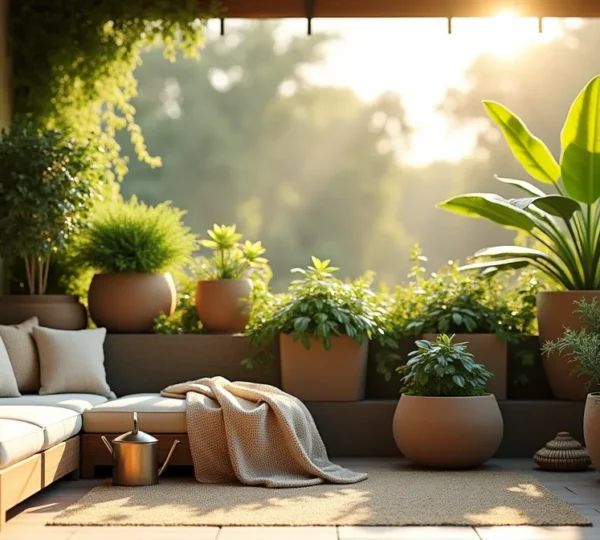
The stress of city life feels inescapable when you lack green space, but your small balcony can be transformed into a potent sanctuary for mental health. The simple act of…
Read more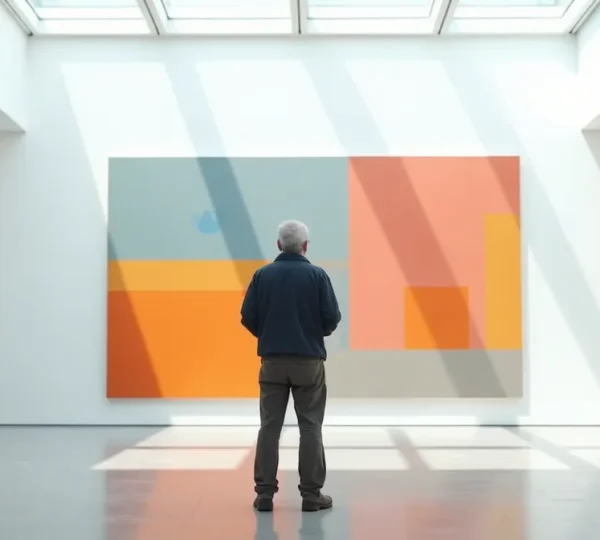
Contrary to the belief that museum visits are merely a pleasant pastime, they are a powerful, multi-modal cognitive training regimen. This article reveals the specific neurological mechanisms at play, from…
Read more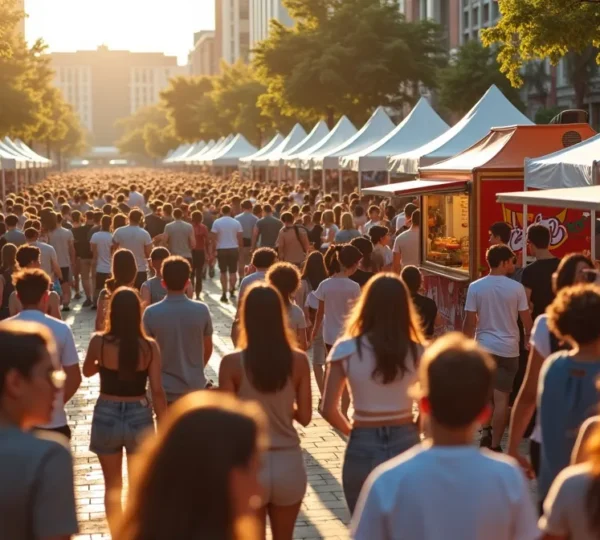
Moving to a new city often feels isolating, but local festivals are your most powerful, untapped tool for building a genuine community—if you treat them as a social laboratory, not…
Read more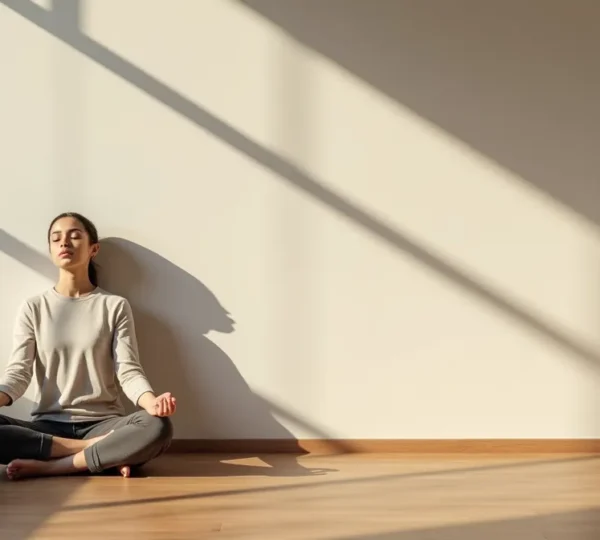
Contrary to popular belief, “negative visualization” isn’t about morbidly dwelling on the worst; it’s a precise Stoic technique for building profound gratitude and unshakable resilience. It works by creating “appreciation…
Read more