
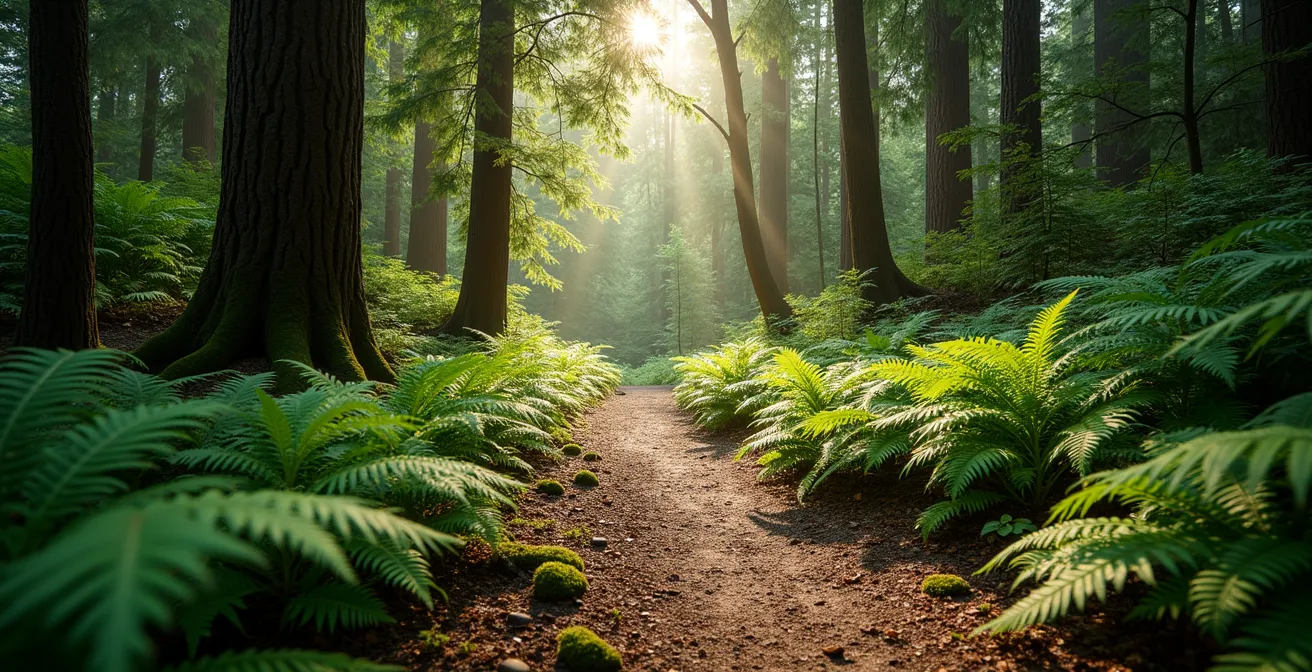
Reversing Nature Deficit Disorder isn’t about escaping the city, but about consciously engineering your urban environment to provide the specific neurological inputs your brain needs to heal.
- Your brain is hardwired to respond to nature’s fractal patterns, which actively reduce stress and trigger restorative alpha brainwaves.
- Strategic exposure to natural light and the creation of “indoor nature” through biophilic design are as crucial as time spent outdoors.
Recommendation: Start by auditing your daily environment for ‘sensory foraging’ opportunities—small, accessible doses of nature for each of your senses.
For many urban dwellers, a persistent feeling of anxiety, mental fog, and disconnection has become the background noise of daily life. This isn’t just a mood; it’s a recognized condition known as Nature Deficit Disorder. It stems from a profound lack of contact with the natural world, leading to symptoms like increased rumination, poor concentration, and a perpetually stressed nervous system. The common advice is often to “get outside more,” with studies suggesting a benchmark of two hours a week to see benefits. While this is a valuable starting point, it barely scratches the surface of the issue.
Simply being outside isn’t a magic cure if you don’t understand what your brain is truly missing. The generic prescription to visit a park often fails because it overlooks the core mechanism: our brains are not just seeking “greenery,” but a specific diet of sensory and neurological inputs that the modern urban landscape fails to provide. The straight lines, uniform textures, and artificial lighting of city life are a form of sensory starvation for a mind evolved over millennia to thrive on natural complexity.
The true solution lies not in fleeing the city, but in learning to hack it. This article reframes the problem from a lack of time outdoors to a lack of specific natural inputs. We will move beyond the platitudes and explore the science of how your brain chemistry is directly affected by nature. We’ll delve into the powerful, stress-reducing effects of fractal patterns, the critical role of light in regulating your biology, and provide a blueprint for systematically engineering your environment—both indoors and out—to create a therapeutic landscape that calms your nervous system and restores your mental clarity.
This guide will equip you with practical, science-backed strategies to find and create these essential natural inputs within the concrete jungle. Read on to discover how to transform your relationship with your urban surroundings and actively reverse the effects of Nature Deficit Disorder.
Summary: How to Heal Nature Deficit Disorder in an Urban Environment
- Why Do Patterns In Leaves And Trees Soothe The Eye More Than Architecture?
- How To Find ‘Wilderness’ In A Concrete Jungle Without Leaving Town?
- Trail Running Vs Treadmill: Which Burns More Calories And Stress?
- The Equipment Trap: Why You Don’t Need A $300 Jacket To Walk In The Rain
- When To Go Outside: The Solar Noon Window For Maximum Immunity
- How To Adjust Your Lighting And Noise Levels To Calm Your Nervous System
- How To Choose A ‘Digital Detox’ Cabin That Actually Has No Signal
- Solo Hiking For Women: How To Hit The Trails With Confidence And Safety?
Why Do Patterns In Leaves And Trees Soothe The Eye More Than Architecture?
The calming sensation you feel when gazing at a forest canopy or the intricate veins of a leaf is not just a poetic notion; it’s a hardwired neurological response. The human brain is a master pattern-recognition machine, and it has a distinct preference for the specific type of patterns found everywhere in nature: fractals. These are complex, self-repeating patterns that appear at different scales, from the branching of a tree to the shape of a coastline or a snowflake. Urban architecture, with its simple Euclidean shapes—straight lines, perfect squares, and circles—is neurologically impoverished by comparison.
Your visual system processes these natural fractals with remarkable ease. Research shows the brain can detect their presence in just 50 milliseconds. This effortless processing has a profound effect on your mental state. An EEG study by Swedish researcher Caroline Hagerhall revealed that when we view these patterns, our frontal lobes—the area associated with cognitive and emotional processing—begin producing a surge of alpha brainwaves. These brainwaves are directly linked to a state of calm, relaxed wakefulness. Essentially, looking at nature tells your brain it’s in a safe, predictable environment, allowing it to relax its hyper-vigilance.
The impact on stress is measurable and significant. Research from the University of Oregon demonstrates that viewing nature’s fractal patterns can lead to a stress reduction of up to 60%. This is a powerful antidote to the chronic stress triggered by the visually monotonous and demanding urban environment. It’s not the “green” color alone that heals, but the mathematical language of the natural world that your brain instinctively understands and craves for its well-being.
How To Find ‘Wilderness’ In A Concrete Jungle Without Leaving Town?
For the anxious urbanite, the command to “find wilderness” can feel like an impossible task. But the key to overcoming Nature Deficit Disorder is to radically widen your definition of nature. It’s not a destination hundreds of miles away; it’s a series of sensory inputs you can learn to find and cultivate right where you are. This practice is about actively seeking micro-doses of natural stimulation, a concept known as ‘Sensory Foraging’.
Instead of focusing on what you lack—a vast forest—focus on what you have. This can be as simple as a public bench with a view of distant hills, which landscape architects call a ‘borrowed landscape’. It could be the texture of a stone wall, the sound of wind in the leaves of a single street tree, or the sight of clouds moving across the sky reflected in a puddle. Even houseplants, while not a complete cure, serve as valuable indoor fractal patterns. Research suggests that high-resolution nature videos can also provide some neurological benefits, creating ‘virtual windows’ in an office or apartment.

The goal is to stop seeing the city as an antagonist to nature and start seeing it as a canvas. A rooftop garden, a community plot, or even a well-placed window box becomes an oasis of wilderness. The most effective strategies involve a conscious shift in perspective:
- Widen your definition: Acknowledge that even small, managed urban green spaces provide valuable neurological inputs.
- Practice ‘Sensory Foraging’: Actively seek out small doses of nature for each sense—the smell of rain on pavement, the feeling of sun on your skin, the sound of birds.
- Find ‘borrowed landscapes’: Identify spots in your daily commute or neighborhood that offer a view of a natural element, no matter how distant.
- Create visualizations: During moments of stress, consciously recall detailed nature memories, engaging all your senses to make the mental image vivid.
Your Action Plan: Audit Your Urban Nature-Dose
- Points of contact: List all the channels where you currently receive nature’s signals—sight (window views, plants), sound (birdsong, rain apps), touch (a pet, a wooden desk), and smell (opening a window after rain).
- Collecte: Inventory the specific natural elements in your daily routine. Note the tree on your street, the nearby park, the sky visible from your office, and any houseplants or natural materials at home.
- Coherence: Confront this inventory with your goal of reducing anxiety. Does your window view face a brick wall or a patch of sky? Is the nearby “park” a stressful, crowded patch of grass or a quiet refuge?
- Mémorabilité/émotion: Identify which of these elements feels genuinely restorative versus just being ‘green.’ A single, beautifully shaped tree you pass daily might offer more solace than a sterile, perfectly manicured corporate lawn.
- Plan d’intégration: Identify the biggest gaps in your nature diet. Prioritize adding or enhancing one key input, such as buying a smart bulb to simulate dawn, finding a new walking route with a ‘borrowed landscape,’ or adding a small water feature for sound.
Trail Running Vs Treadmill: Which Burns More Calories And Stress?
When it comes to exercise for mental health, not all cardio is created equal. While a treadmill run can improve cardiovascular health, it does little to combat the root causes of Nature Deficit Disorder. Trail running, by contrast, is a comprehensive therapeutic intervention. The difference lies in the quality of the neurological and physiological inputs your body receives. A treadmill offers a predictable, monotonous surface in a static environment, whereas a trail demands constant adaptation and engages the mind in a restorative way.
The primary difference in stress reduction comes down to two factors: cortisol and attention. An indoor workout on a treadmill can sometimes maintain or even increase levels of the stress hormone cortisol. In contrast, outdoor exercise in a natural setting has been shown to have a dramatic effect on stress. A study on “forest bathing” found that forest walkers showed a 15.8% decrease in their cortisol levels. The varied terrain of a trail also enhances proprioception—your body’s awareness of its position in space. This requires a higher level of engagement from your nervous system, pulling your attention away from anxious, looping thoughts (rumination) and grounding you firmly in the present moment.
This leads to a shift in attentional style. A treadmill workout encourages a narrow, focused-attention, often accompanied by distracting media. Trail running promotes open-monitoring attention, a soft, expansive focus where you are aware of your surroundings without fixating on any single thing. This state is meditative and has been shown to significantly reduce rumination and improve mental well-being.
| Factor | Trail Running | Treadmill |
|---|---|---|
| Cortisol Reduction | Significant decrease | May maintain or increase |
| Proprioceptive Engagement | High – varied terrain | Low – predictable surface |
| Attention Type | Open-monitoring | Focused-attention |
| Mental Benefits | Reduced rumination | Limited stress relief |
The Equipment Trap: Why You Don’t Need A $300 Jacket To Walk In The Rain
One of the most insidious barriers to getting outside is the “equipment trap”—the belief that you need expensive, specialized gear for every possible condition. This mindset, fueled by marketing, turns a simple walk in the park into a consumer-driven project, adding another layer of stress and procrastination. The reality is that connection with nature is a fundamental human need, not an exclusive club for those with high-tech apparel. A rainy day is not a barrier; it’s an opportunity for a rich sensory experience, provided you are dressed appropriately.
The Scandinavian philosophy of *friluftsliv* (open-air living) perfectly captures the necessary mindset. It’s a cultural embrace of the outdoors in all seasons, neatly summarized in a powerful saying.
There’s no such thing as bad weather, only bad clothing.
– Scandinavian Friluftsliv philosophy, via UCHealth Today
This isn’t a call to buy more, but to buy smarter and more simply. The key isn’t brand names or high price tags, but the principle of layering. A functional, all-weather kit can be assembled on a tight budget by focusing on function over fashion. The goal is to be comfortable, dry, and warm, not to look like you’re about to summit Everest. By demystifying the gear, you remove a major psychological hurdle and empower yourself to step outside, no matter what the forecast says. Here is a simple, budget-friendly approach:
- Base layer: The layer against your skin should wick moisture away. Avoid cotton at all costs, as it holds sweat and makes you cold. Look for synthetic (polyester) or wool shirts, which can often be found in thrift stores.
- Mid-layer: This is your insulation layer. A simple fleece jacket or a wool sweater works perfectly. These are widely available at discount retailers for under $20.
- Outer shell: This layer protects you from wind and rain. You don’t need a high-end brand; a basic, functional waterproof jacket will do the job.
When To Go Outside: The Solar Noon Window For Maximum Immunity
Timing your outdoor exposure can dramatically amplify its benefits, particularly when it comes to regulating your body’s internal clock and immune system. While any time outside is better than none, there are two key windows to target: early morning for your brain and midday for your body. The title’s mention of “solar noon” points to the optimal time for Vitamin D synthesis, which is crucial for immunity. However, the most powerful intervention for your nervous system and sleep cycle happens just after you wake up.
Your body’s entire hormonal system is orchestrated by a 24-hour cycle known as the circadian rhythm. This rhythm is anchored each day by exposure to morning sunlight. A key part of this is the Cortisol Awakening Response (CAR), a natural spike in the hormone cortisol that happens 30-45 minutes after waking. This spike is essential for promoting alertness and mobilizing energy for the day. According to a foundational study in Scientific Reports, a healthy CAR is characterized by a steep morning rise, and its robustness is directly influenced by proper light exposure. Getting 10-20 minutes of direct sunlight within the first hour of waking is the most effective way to set this rhythm, which in turn leads to better mood, more energy, and deeper sleep at night.

The “solar noon window” (roughly 10 a.m. to 2 p.m.) is when the sun’s UVB rays are strongest, making it the most efficient time for your skin to produce Vitamin D. This vitamin acts more like a hormone in the body and is fundamental for immune function, bone health, and mood regulation. Many urban dwellers are deficient, especially in winter. A short, 15-minute walk during your lunch break can be a powerful strategy to support your physical health, complementing the neurological benefits of morning light.
How To Adjust Your Lighting And Noise Levels To Calm Your Nervous System
Reversing Nature Deficit Disorder involves more than just going outside; it requires a conscious effort to bring the signals of nature inside. This practice, a core component of biophilic design, is about engineering your indoor environment to provide the restorative sensory inputs your nervous system craves. Two of the most powerful levers you can pull are lighting and sound, transforming your home or office from a source of stress into a sanctuary for recovery.
The static, uniform light of most buildings disrupts our biology. Our bodies are designed to sync with the dynamic changes of natural light throughout the day. You can replicate this with a dynamic lighting schedule, ideally using smart bulbs that can automate the process. This simple adjustment helps anchor your circadian rhythm, improving sleep, mood, and focus. Similarly, constant, low-level urban noise elevates stress. Introducing natural sounds—whether from a small water feature or an app playing birdsong or rain—can mask stressful noises and provide a soothing auditory backdrop that signals safety to your brain.
The goal is to reduce the cognitive load that your environment places on you. A 2015 Stanford University study highlighted this effect, showing that participants who walked in nature displayed decreased anxiety and rumination, alongside increased working memory, compared to those who walked in an urban setting. By engineering your indoor space with a dynamic lighting schedule, you can create a similar restorative effect:
- Morning: Use bright, blue-toned light to mimic the morning sun, promoting alertness and signaling the start of the day.
- Afternoon: Maintain bright, natural light as much as possible by working near a window.
- Evening: Shift to warm, amber-toned, dim light. This signals to your brain that it’s time to wind down and produce melatonin for sleep.
- Virtual Windows: Use spare monitors or tablets to display high-quality, slow-moving nature videos, creating a sense of depth and connection to the outdoors.
How To Choose A ‘Digital Detox’ Cabin That Actually Has No Signal
In a world of constant connectivity, sometimes the most effective way to restore your nervous system is to force a complete disconnection. A digital detox in a remote cabin can be profoundly healing, but its success hinges on one critical factor: ensuring there is genuinely no signal. Choosing a location with spotty or weak service is a recipe for frustration, as the temptation to find that one bar of signal will override any attempt to relax. A true detox requires removing the choice entirely.
The goal is to create an environment where your brain can finally shift from its hyper-vigilant, externally-focused state to one of internal reflection and open-monitoring attention. This can’t happen if a notification might chime at any moment. The selection of a cabin, therefore, is not about rustic aesthetics, but about strategic isolation. You must do your due diligence before booking to guarantee that the location is a true dead zone. This proactive research is the most important step in planning an effective retreat.
Beyond verifying the lack of signal, preparation is key to a successful detox. The 48 hours before you leave are critical for setting expectations with work and family, and for preparing your mind to be without its usual digital pacifiers. The objective is not to endure boredom, but to replace screen time with rich, analog activities that engage your mind and senses in a different way. Packing a journal, a sketchbook, or a star chart transforms the absence of a phone into the presence of an opportunity for creativity and observation.
Key takeaways
- Nature’s healing effect is neurological; your brain is hardwired to respond to natural fractal patterns, which actively reduce stress.
- You can “engineer” nature into your urban life by modifying your indoor environment (light, sound) and practicing “sensory foraging” for micro-doses of wilderness.
- The quality and timing of your nature exposure (e.g., morning light for circadian rhythm) are often more impactful than simply meeting a weekly time quota.
Solo Hiking For Women: How To Hit The Trails With Confidence And Safety?
For many women, the call to the wild is often met with a chorus of safety concerns from others and from within. While these concerns are valid, they should not be a barrier to the profound sense of empowerment and peace that solo hiking offers. The key to hitting the trails with confidence is to reframe the goal from eliminating all risk—which is impossible—to managing risk intelligently and projecting competence. It’s a journey of building skills and awareness, not of succumbing to fear.
Confidence is not something you have; it’s something you build through experience. A progressive confidence protocol is the safest and most effective way to start. Instead of jumping into a remote wilderness trail, you begin in a controlled environment and gradually expand your comfort zone. This methodical approach allows you to learn essential trail skills and situational awareness without feeling overwhelmed.
- Step 1: Busy, Familiar Trails: Start by hiking solo on popular, well-marked trails that you already know well. The goal here is simply to get comfortable with your own company in an outdoor setting.
- Step 2: Join Women’s Hiking Groups: Before venturing further, join a group to learn from more experienced hikers. This is a safe space to ask questions, practice navigation, and understand trail etiquette.
- Step 3: Graduate to Quieter Trails: Once you feel competent, choose less-trafficked trails that you have previously hiked with your group. You’ll have the familiarity of the route combined with the new experience of solitude.
A crucial element of safety is projecting confidence. This involves practicing ‘scanning’ your environment, being aware of your surroundings, and making brief, confident eye contact with people you pass. This signals competence and awareness. For hikes that take you beyond reliable cell service, technology can provide a vital safety net. Understanding the difference between devices is key.
| Feature | Personal Locator Beacons (PLBs) | Satellite Messengers |
|---|---|---|
| Best For | Remote wilderness | Local to moderate trails |
| Two-way Communication | No | Yes |
| Subscription Required | No | Yes |
| Emergency Only | Yes | No – can send updates |
The trail to overcoming nature deficit disorder begins with a single, confident step. Choose a familiar path, apply these safety principles, and start reclaiming your connection with the world today.
Frequently asked questions about Nature Deficit Disorder
How can I verify a cabin truly has no cell signal?
Use carrier coverage maps from the FCC or sites like nperf.com to cross-reference the cabin’s address before booking. Check multiple carriers to ensure it’s a true dead zone.
What should I do 48 hours before leaving?
Set comprehensive out-of-office messages on all platforms, inform key contacts of your disconnection, delete social media and email apps from your phone (don’t just log out), and download any offline content like music, podcasts, or maps you’ll need.
What analog activities can replace screen time?
Pack a journal with writing prompts, a sketchbook and pencils for drawing, the rules for a few solo card games, and a regional star chart or bird-watching guide to encourage active observation of your surroundings.