
Style and beauty have evolved far beyond fleeting trends and superficial appearances. Today’s approach emphasizes intentionality, authenticity, and personal well-being—a philosophy that recognizes how the clothes we wear, the products we apply, and the rituals we practice shape not only our external presentation but our inner confidence and environmental footprint. Whether you’re building a wardrobe that lasts, mastering the art of enhancing your natural features, or creating moments of relaxation in your daily routine, understanding the fundamentals transforms these choices from obligations into expressions of self-respect.
This comprehensive exploration connects four essential pillars: sustainable fashion practices that prioritize longevity over quantity, natural beauty approaches that celebrate your authentic features, strategic luxury investments that retain value, and self-care rituals that nourish both body and mind. Each element reinforces the others, creating a cohesive philosophy where quality consistently triumphs over excess, and mindful choices replace impulsive consumption.
The foundation of lasting personal style begins with understanding how to curate clothing that serves you across seasons, occasions, and years. This approach rejects the disposable mentality that has dominated fashion for decades, replacing it with strategic thinking and quality awareness.
A capsule wardrobe operates like a well-orchestrated ensemble, where each piece harmonizes with multiple others to create numerous outfit combinations. Rather than owning dozens of items that rarely coordinate, this system typically involves 30 to 40 carefully selected pieces that reflect your lifestyle, color preferences, and aesthetic identity. The key lies in choosing versatile investment pieces—classic blazers, well-fitted trousers, quality knitwear, and timeless outerwear—that transcend seasonal whims while remaining genuinely wearable.
Think of your wardrobe as a color palette: when all pieces share a cohesive color story (neutrals anchored by one or two accent colors), getting dressed becomes effortless. A navy blazer pairs equally well with white trousers, grey denim, or black skirts, multiplying your outfit possibilities without expanding your closet.
Fabric durability determines whether a garment survives five wears or five years. Natural fibers like cotton, linen, wool, and silk generally outlast synthetic alternatives when properly cared for, though blends can offer practical benefits. When examining garments, assess these quality indicators:
Caring for clothes to extend their lifespan involves more than occasional washing. Proper storage, prompt stain treatment, strategic rotation to prevent wear concentration, and understanding when to dry clean versus hand wash can double or triple a garment’s useful life.
As sustainability becomes a powerful marketing tool, distinguishing genuine environmental commitment from superficial greenwashing grows increasingly important. Brands genuinely committed to sustainability provide transparent supply chain information, specific data about materials sourcing, and third-party certifications like GOTS (Global Organic Textile Standard) or Fair Trade verification. Vague claims like “eco-friendly” or “conscious collection” without supporting evidence often mask conventional production methods.
Examine whether sustainability represents a core business practice or merely a limited product line. Authentic commitment appears in comprehensive policies covering worker conditions, waste reduction, chemical management, and circular economy initiatives—not just recycled hang tags or green-colored packaging.
The no-makeup makeup aesthetic celebrates enhancement over transformation, prioritizing skin health and subtle refinement that appears effortless. This approach demands greater technical skill than dramatic makeup, as imperfections in application become immediately apparent.
Minimalist makeup only succeeds atop well-maintained skin. This begins with understanding your skin type and addressing specific concerns through targeted skincare rather than attempting to conceal problems with heavy coverage. A basic routine includes gentle cleansing, appropriate moisturization, and consistent sun protection—the single most effective anti-aging measure available.
Hydrating throughout the day maintains that coveted dewy appearance without additional product application. Keep a facial mist or lightweight hydrating serum accessible for midday refreshment, particularly in air-conditioned or heated environments that deplete skin moisture.
The right base product for minimalist makeup varies dramatically based on skin type and coverage needs. Tinted moisturizers and BB creams suit those seeking sheer, breathable coverage, while skin tints provide even lighter alternatives. The goal is evening skin tone without masking natural texture—real skin shows pores, and that’s perfectly acceptable.
Avoiding clogged pores requires selecting non-comedogenic formulas and proper removal each evening. Many people apply too much product; start with a small amount and build only where needed, typically around the nose, chin, and any redness.
Enhancing features without apparent color involves strategic use of neutrals, creams, and products that mimic natural flush and dimension. Consider these techniques:
The technique matters more than the product count. Blend thoroughly, build gradually, and assess in natural light to ensure your makeup enhances rather than announces itself.
Luxury accessories represent the intersection of craftsmanship, heritage, and lasting value when chosen wisely. Unlike trend-driven fashion, quality accessories often appreciate or maintain value while providing decades of use.
The counterfeit luxury market has grown increasingly sophisticated, making authentication knowledge essential. Genuine luxury items display consistent craftsmanship in areas counterfeiters often overlook: perfectly aligned patterns at seams, uniform stitching with specific stitch counts per inch, high-quality hardware with proper weight and engraving depth, and flawless logo placement.
Purchasing from authorized retailers eliminates counterfeit risk but reduces negotiating flexibility. The pre-owned luxury market offers value opportunities but demands authentication expertise or professional verification services before significant investments.
Understanding watch movements—quartz versus mechanical, and within mechanical, manual versus automatic—helps evaluate value and maintenance requirements. Mechanical watches require periodic servicing every three to five years, adding to ownership costs but maintaining long-term functionality and value. Swiss movements traditionally command premium pricing, though Japanese manufacturers like Grand Seiko produce comparable quality at different price points.
Timing luxury purchases strategically can yield substantial savings. End-of-season sales, brand anniversary events, and purchasing discontinued models from authorized dealers create opportunities for discounts rarely available on current collections. The pre-owned market often prices two-to-three-year-old pieces at significant reductions while the items remain essentially new.
Delicate accessories demand specific storage conditions to prevent deterioration. Leather requires humidity control—too dry causes cracking, too moist encourages mold. Store handbags stuffed with acid-free tissue to maintain shape, inside dust bags away from direct light. Metals tarnish when exposed to air; keep jewelry in anti-tarnish pouches or lined boxes.
Restoring vintage items requires specialized expertise. Amateur restoration attempts often diminish value, particularly with watches and fine jewelry. Consult manufacturers or certified restoration specialists who understand period-appropriate techniques and can source authentic replacement parts when necessary.
Effective self-care transcends occasional indulgence, becoming a regular practice that supports mental clarity, physical relaxation, and intentional disconnection from daily demands. Home spa rituals offer accessibility and personalization impossible in commercial settings.
Successful home spa experiences combine multiple sensory elements: appropriate temperature, carefully selected scents, appealing textures, and intentional timing. Scheduling downtime effectively means protecting this time as rigorously as professional appointments. Consistency matters more than duration—twenty focused minutes weekly surpasses sporadic three-hour sessions in building sustainable self-care habits.
Begin by identifying your primary need: stress relief, muscle tension, skin concerns, or mental reset. This focus guides your ritual design, from temperature preferences (hot baths for muscle relaxation, lukewarm for skin conditions) to scent selection (lavender for calming, eucalyptus for mental clarity, citrus for energizing).
Bath additives serve different purposes beyond pleasant fragrance. Epsom salts (magnesium sulfate) may help ease muscle soreness, though skin absorption remains debated. Oatmeal soothes irritated skin through anti-inflammatory properties. Essential oils provide aromatherapy benefits but require carrier oils or dispersants to prevent direct skin contact in concentrated form.
Bubble baths and bath bombs, while enjoyable, can disrupt skin pH and vaginal flora in sensitive individuals. If you experience irritation, switch to simple oils or salts. Always test new additives with small amounts first, and avoid extremely hot water that strips natural skin oils regardless of additives used.
Exfoliating safely requires understanding that more isn’t better. Over-exfoliation damages the skin barrier, causing sensitivity, inflammation, and paradoxically making skin appear worse. For facial exfoliation, choose either physical (scrubs) or chemical (acids) methods, not both simultaneously, and limit frequency to once or twice weekly for most skin types.
Preventing skin damage from heat applies to saunas, steam rooms, and hot baths. Limit exposure to 15-20 minutes, stay hydrated before and after, and follow heat exposure with cool-down periods. Those with cardiovascular conditions, pregnancy, or certain medications should consult healthcare providers before regular heat therapy.
These interconnected dimensions of style and beauty—conscious fashion choices, natural enhancement techniques, quality accessory investments, and restorative self-care practices—form a holistic approach to personal presentation and well-being. Each element reinforces the others, creating a lifestyle that values authenticity, longevity, and intentionality. As you explore specific aspects that resonate with your needs and interests, remember that developing your unique approach takes time, experimentation, and the willingness to prioritize quality over quantity in every choice you make.
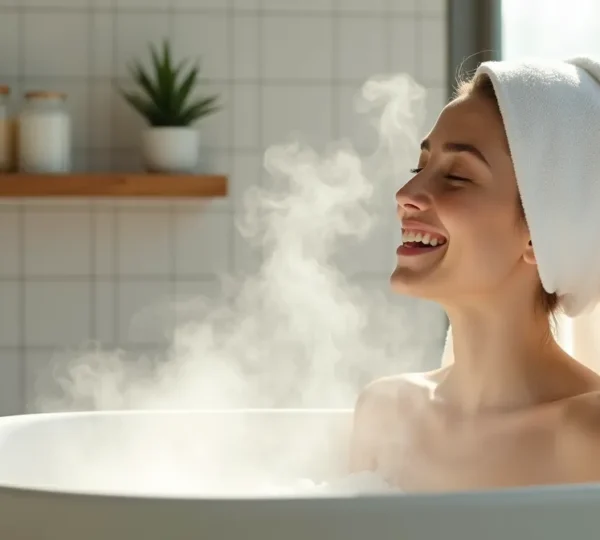
In summary: A true spa-quality steam facial is a multi-step ritual, not just hot water in a bowl. Controlling steam temperature is crucial to open pores safely and avoid skin…
Read more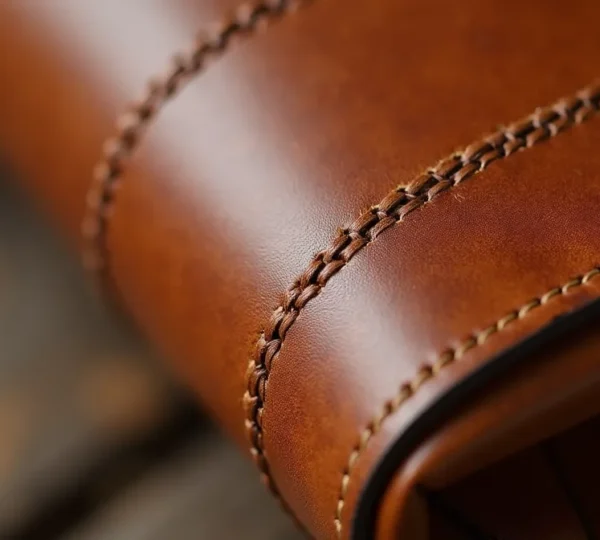
A high-quality leather bag is an asset whose value is determined by its structural integrity and material science, not its logo. True quality is found in tangible details like hand-sewn…
Read more
The secret to radiant glass skin isn’t a complex 10-step routine; it’s the strategic use of three synergistic products focused on technique, not quantity. Formula compatibility is the number one…
Read more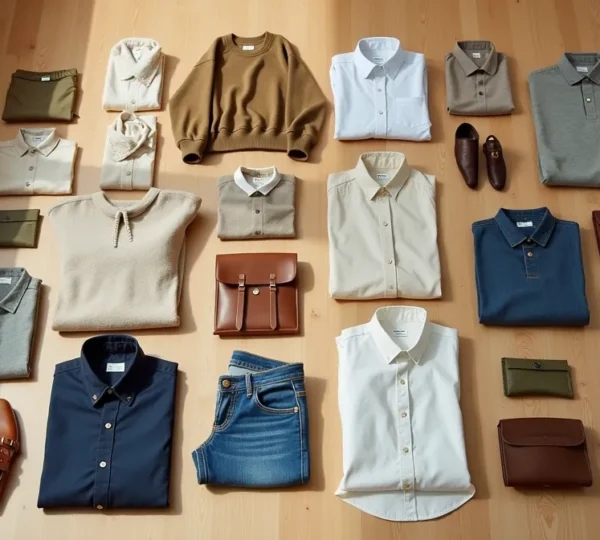
A successful capsule wardrobe isn’t about hitting a 30-item target, but mastering the lifecycle, quality, and maintenance of each piece. Prioritize material intelligence and meticulous care over simply decluttering and…
Read more