

In summary:
- Chronic fatigue often stems from cellular inflammation, not just poor food choices.
- Eliminating specific inflammatory triggers like industrial seed oils, gluten, and dairy for two weeks can reset your system.
- Energy is optimized by not only *what* you eat, but *how* (cooked vs. raw) and *when* (carb timing).
- Gut health is directly linked to mood and energy through the production of neurotransmitters like serotonin.
That familiar afternoon slump, the persistent brain fog that clouds your thinking, the feeling of being tired even after a full night’s sleep—these are common complaints often dismissed as normal parts of a busy life. The usual advice is to cut out junk food and sugar, which is a good start, but it barely scratches the surface. Many people try this and still feel drained, wondering what they are missing. This is because true, lasting energy isn’t just about avoiding the “bad” foods; it’s about understanding how food communicates with your body on a cellular level.
The problem is that most conventional health advice focuses on calories and macronutrients, ignoring the profound inflammatory or anti-inflammatory signals that every meal sends. It overlooks the delicate interplay between your digestive system, your hormones, and your energy-producing mitochondria. While some popular diets encourage drastic measures, they often fail to explain the underlying mechanisms, leaving you feeling deprived and confused.
But what if the key to unlocking vibrant energy wasn’t about deprivation, but about precision? What if, instead of just removing foods, you focused on mastering the metabolic timing and cellular mechanics that govern your body’s energy cycle? This guide moves beyond simplistic food lists. It’s a 14-day protocol designed to reduce inflammation at its source, repair your digestive system, and recalibrate your hormones for optimal energy and mental clarity.
Over the next sections, we will deconstruct the core pillars of this approach. We will explore how to make strategic food swaps that keep you satisfied, when to eat certain foods to enhance sleep and energy, and how to support the crucial gut-brain connection that dictates both your mood and your vitality.
Summary: A 14-Day Protocol to Reclaim Your Energy
- Why Do Vegetable Oils Cause Sluggishness At The Cellular Level?
- How To Eliminate Gluten And Dairy For 2 Weeks Without Starving
- Raw Salads Vs Cooked Stews: Which Is Better For A Weak Digestion?
- The Protein Bar Mistake: Why Most ‘Health’ Snacks Are Candy In Disguise
- When To Eat Carbs: The Evening Protocol For Better Sleep And Energy
- When To Stop Taking Echinacea: Cycling Immune Boosters For Best Results
- The B12 Trap: Why You Can’t Get Everything From A Vegan Diet
- How Gut Health Directly Impacts Your Mood And Anxiety Levels?
Why Do Vegetable Oils Cause Sluggishness At The Cellular Level?
The feeling of sluggishness is not just in your head; it starts deep within your cells, specifically in the mitochondria, your body’s power plants. A primary culprit in sabotaging this energy production is the imbalance of omega-6 to omega-3 fatty acids, a problem massively exacerbated by the modern consumption of industrial vegetable and seed oils like canola, soy, corn, and sunflower oil. These oils are extremely high in omega-6 fatty acids, which, in excess, promote inflammation.
This isn’t just a vague health warning; the impact is measurable. When the ratio of omega-6 to omega-3 fats is too high, it directly impairs mitochondrial function. This process damages the mitochondrial membrane and interferes with the electron transport chain, the very mechanism that produces ATP (adenosine triphosphate), the energy currency of your cells. The consequences are severe; research shows this imbalance can reduce mitochondrial ATP production by 35-68%. This means your body is physically producing less energy from the food you eat.
This “energy drain” at the cellular level manifests as the chronic fatigue and brain fog many people experience. The solution is to aggressively reduce omega-6 intake by eliminating these industrial oils and replacing them with anti-inflammatory fats like extra virgin olive oil, avocado oil, and coconut oil, while increasing omega-3 intake from sources like fatty fish. This dietary shift is the foundational step to restoring mitochondrial efficiency and rebuilding your energy from the ground up.
How To Eliminate Gluten And Dairy For 2 Weeks Without Starving
For many individuals, gluten and dairy are major sources of low-grade, chronic inflammation that drain energy reserves. Eliminating them for a short period, such as two weeks, can act as a powerful “reset” for the digestive system and lower the body’s overall inflammatory burden. However, the fear of hunger and deprivation often prevents people from trying. The secret to success is not about eating less, but about making strategic swaps that prioritize satiety.
The key is to build every meal around the “satiety trio”: high-quality protein, fiber-rich vegetables, and healthy fats. This combination stabilizes blood sugar, slows digestion, and keeps you feeling full and satisfied for hours. Instead of feeling empty after removing a slice of bread or a piece of cheese, you actively replace it with nutrient-dense foods that provide a more stable and sustained source of energy.
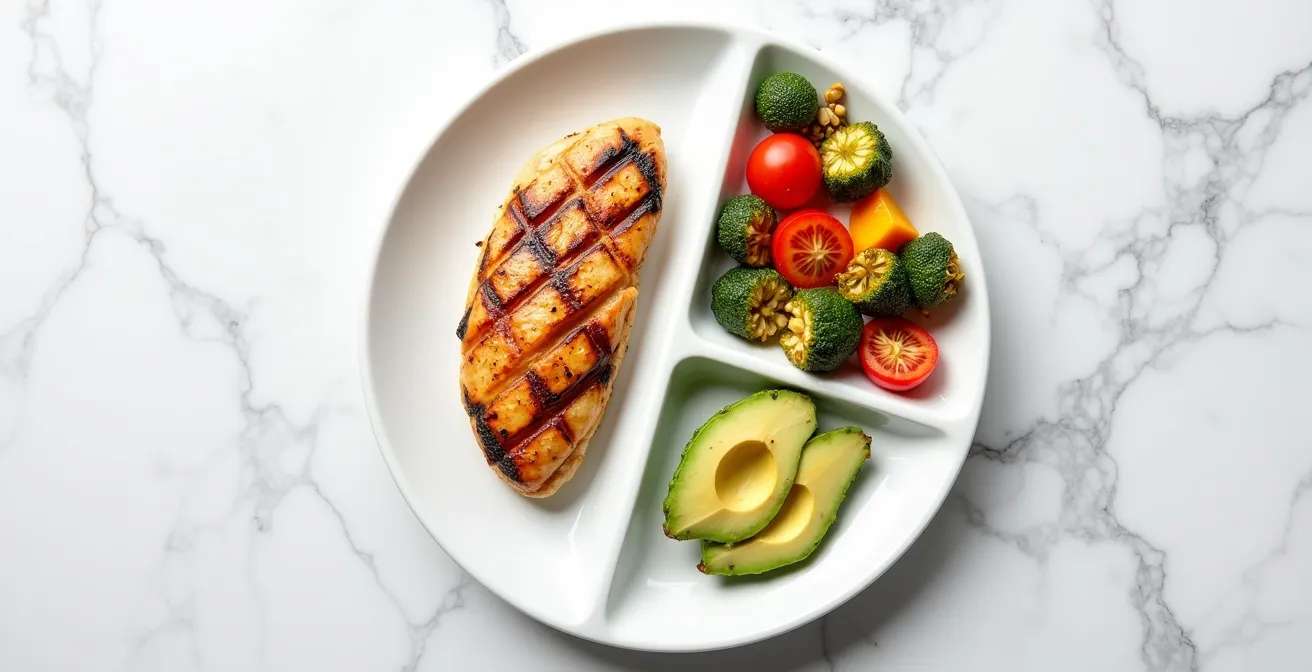
As you can see, a well-structured plate is visually appealing and nutritionally complete. The goal is to focus on abundance, not restriction. For instance, instead of a sandwich, you might have a large salad with grilled chicken, avocado, and a variety of colorful vegetables. This meal is far more nutrient-dense and will keep your energy levels much more stable than its processed, gluten-filled counterpart.
To make this practical, it’s essential to have a clear list of alternatives. The following table, based on recommendations from nutritional experts, provides simple, direct swaps that maintain or even increase nutrient intake. As this guide from the University of Michigan Health System shows, removing gluten and dairy is an opportunity to introduce a wider variety of whole foods.
| Instead of | Choose | Key Nutrients Maintained |
|---|---|---|
| Wheat bread | Quinoa, sweet potato, or rice | Fiber, B vitamins, iron |
| Dairy milk | Fortified almond/soy milk | Calcium, vitamin D, protein |
| Cheese | Nutritional yeast, cashew cream | B vitamins, protein, umami flavor |
| Pasta | Chickpea or lentil pasta | Protein (2x more), fiber, iron |
Raw Salads Vs Cooked Stews: Which Is Better For A Weak Digestion?
In the world of health, raw salads are often hailed as the pinnacle of nutrition. While they are packed with vitamins and enzymes, they can be a significant burden for someone with a compromised or inflamed digestive system. The tough cellulose in raw vegetables requires a great deal of digestive energy to break down. If your “digestive fire” is weak, eating a large raw salad can lead to bloating, gas, and discomfort, ultimately costing you more energy than you gain.
This is where the concept of digestive load becomes crucial. Cooked foods, especially in the form of warm stews, soups, and steamed vegetables, are partially broken down by the heating process. This makes them much easier for your body to digest and absorb nutrients from, freeing up energy that would otherwise be spent on digestion. For a person suffering from fatigue and brain fog, minimizing this digestive load is a critical strategy for energy recovery.
Key signs that your body might benefit from more cooked foods include immediate bloating after raw meals, feeling cold or tired after eating, or seeing undigested food in your stool. In these cases, a temporary shift to primarily cooked foods is highly beneficial. Clinical elimination diet protocols often recommend starting with 3-5 days of only cooked foods to allow the digestive system to heal and reduce inflammation. Once symptoms improve, you can gradually reintroduce small amounts of raw foods, starting with easier-to-digest options like peeled cucumber or ripe berries.
The best cooking methods to preserve nutrients while aiding digestion are steaming, light sautéing, and slow-cooking. These gentle techniques soften fibers without creating the inflammatory compounds associated with high-heat methods like deep-frying or char-grilling. By choosing the right preparation method, you support your digestive system’s recovery and maximize nutrient absorption, a vital step toward restoring your energy levels.
The Protein Bar Mistake: Why Most ‘Health’ Snacks Are Candy In Disguise
In the quest for convenient, healthy snacks, many people turn to protein bars and other “health” foods. However, this is often a critical mistake that sabotages energy levels. Most commercially available protein bars, granola bars, and energy balls are loaded with hidden sugars, artificial sweeteners, and inflammatory fillers. They are, in essence, candy bars masquerading as health food, causing a rapid spike and subsequent crash in blood sugar that perpetuates the cycle of fatigue.
This isn’t just about empty calories; it’s about hormonal signalling. When you consume these high-sugar snacks, your body releases a surge of insulin to manage the glucose load. This hormonal rollercoaster is metabolically stressful and directly promotes inflammation. In fact, studies show inflammatory markers like IL-6 can double within hours of consuming a meal high in processed sugars and refined carbohydrates. This inflammatory response is a direct drain on your energy and a contributor to brain fog.
The solution is to abandon these processed snacks in favor of real, whole foods. A proper anti-inflammatory snack should be composed of protein and/or healthy fats to promote stable blood sugar and sustained energy. The goal is to choose options that require minimal preparation but provide maximum nutritional value without the inflammatory baggage. Here are five simple, real-food snack formulas to replace processed bars:
- A handful of raw macadamia nuts and 5-6 olives for a dose of healthy fats.
- Apple slices with two tablespoons of almond butter for fiber, protein, and natural sweetness.
- A small can of wild sardines with seed crackers for a boost of omega-3s and complete protein.
- One-quarter cup of hummus with sliced vegetables (carrots, cucumbers, bell peppers) for plant-based protein and fiber.
- A high-quality beef or turkey stick (look for 10-12g of protein and no added sugar) with a handful of berries.
When To Eat Carbs: The Evening Protocol For Better Sleep And Energy
Carbohydrates have a complicated reputation, but they are not the enemy of energy—when used strategically. One of the most powerful principles of an anti-inflammatory protocol is nutrient timing, particularly the practice of saving your main serving of starchy carbohydrates for your evening meal. This “evening carb protocol” directly supports better sleep, which is the ultimate foundation for daytime energy.
The mechanism behind this lies in hormone regulation. During the day, you want to maintain stable blood sugar and mental alertness, which is better achieved with meals focused on protein, fat, and non-starchy vegetables. Consuming carbohydrates in the evening helps to gently lower cortisol (the stress hormone) and promote the production of serotonin, a neurotransmitter that is a precursor to melatonin, the sleep hormone. This creates a neurochemical environment conducive to deep, restorative sleep.

Furthermore, this practice supports metabolic flexibility. By consuming a serving of clean carbohydrates like sweet potato, squash, or quinoa at dinner, you replenish your liver’s glycogen stores. The brain relies on this stored glucose for fuel overnight. When these stores are depleted, the body can release cortisol and adrenaline around 2-4 AM to raise blood sugar, causing you to wake up. By ensuring your liver glycogen is topped up before bed, you prevent these disruptive middle-of-the-night awakenings and promote uninterrupted sleep.
This isn’t about eating a massive bowl of pasta. It’s about a modest portion (about the size of your cupped hand) of a whole-food carbohydrate source as part of a balanced dinner. Participants in anti-inflammatory protocols consistently report improved sleep quality and more stable, robust morning energy levels when they shift their carbohydrate intake to the evening. This simple change in timing can be a game-changer for breaking the cycle of poor sleep and daytime fatigue.
When To Stop Taking Echinacea: Cycling Immune Boosters For Best Results
When feeling run-down, many people reach for immune-boosting supplements like Echinacea. While it can be effective for short-term, acute situations like the onset of a cold, relying on it continuously is a mistake and misses the bigger picture of immune health. The true foundation of a robust immune system is a consistently low-inflammatory state, which is achieved through diet, not a pill.
As noted by functional medicine experts, this distinction is critical. Dr. Rupy Aujla, a leading voice in nutritional medicine, emphasizes this point clearly:
The anti-inflammatory diet is the foundational immune support. Echinacea is only for acute situations, not to compensate for an inflammatory lifestyle.
– Dr. Rupy Aujla, The Doctor’s Kitchen Podcast
The body can become desensitized to herbs like Echinacea if they are taken continuously. For this reason, such supplements should be “cycled”—used for a short duration (e.g., 10-14 days) and then stopped to maintain their effectiveness. Chronic fatigue is a sign of systemic imbalance, not an acute infection that Echinacea is designed to fight. Trying to solve a foundational problem with an acute tool is both ineffective and unsustainable.
Instead, focus must remain on the daily, non-negotiable habits that build true immune resilience. This includes a diet rich in colorful vegetables, healthy fats, and fermented foods. The following table illustrates the crucial difference between foundational support and acute intervention. Your energy and immunity depend on getting the daily practices right.
| Foundation (Daily) | Acute Support (Cycled) | Duration |
|---|---|---|
| Anti-inflammatory diet | Echinacea supplement | Continuous vs. 10-14 days max |
| Omega-3 fatty acids | High-dose vitamin C | Daily vs. During illness only |
| Colorful vegetables & fruits | Zinc lozenges | Every meal vs. 5-7 days |
| Fermented foods for gut health | Elderberry syrup | Regular intake vs. 2 weeks on/1 week off |
The B12 Trap: Why You Can’t Get Everything From A Vegan Diet
While a plant-based diet can be powerfully anti-inflammatory, it comes with a significant nutritional trap: Vitamin B12. This crucial vitamin is not naturally present in plant foods. It is synthesized by microorganisms and found almost exclusively in animal products. A B12 deficiency is not a minor issue; it is a direct cause of fatigue and neurological problems because of its central role in energy metabolism.
Vitamin B12 is an essential cofactor in the Krebs cycle, the primary pathway for cellular energy production inside your mitochondria. Without sufficient B12, this process is impaired, leading to a significant drop in ATP production. The consequences are stark: studies show that B12 deficiency can reduce cellular energy production by up to 40%. This cellular energy crisis manifests as profound fatigue, weakness, and the brain fog that many people struggle with, especially those following a strict vegan or vegetarian diet without proper supplementation.
Because B12 is so critical and its absorption can be complex, simply taking a multivitamin is often not enough. Optimizing your B12 status requires a specific protocol to ensure you are not just consuming it, but also absorbing it effectively. For anyone on a plant-based or plant-forward diet, proactive B12 management is non-negotiable for maintaining energy levels.
Your Action Plan: Optimizing B12 Absorption Protocol
- Choose the right form: Select supplements containing Methylcobalamin or hydroxocobalamin, which are more bioavailable than the common cyanocobalamin form.
- Time it right: Take your B12 supplement on an empty stomach, ideally first thing in the morning, to prevent food from interfering with its absorption.
- Support stomach acid: B12 requires adequate stomach acid to be cleaved from proteins. Including a teaspoon of apple cider vinegar or lemon water with meals can aid this process.
- Consider sublinguals: If you have digestive issues, use sublingual drops or tablets placed under the tongue. This allows B12 to enter the bloodstream directly, bypassing the digestive tract.
- Test, don’t guess: Get your B12 levels checked via a blood test every 6-12 months to ensure your supplementation strategy is working and adjust as needed.
Key Takeaways
- Target cellular energy first by eliminating inflammatory seed oils and ensuring adequate, well-absorbed Vitamin B12.
- Reduce the body’s inflammatory burden by temporarily removing gluten and dairy, and prioritizing cooked foods over raw if digestion is weak.
- Stabilize blood sugar and hormone signals by avoiding processed snacks and timing carbohydrate intake to the evening to support sleep.
How Gut Health Directly Impacts Your Mood And Anxiety Levels?
The final, and perhaps most profound, piece of the energy puzzle is the gut-brain axis. The persistent feeling of low mood, anxiety, or “un-wellness” that often accompanies chronic fatigue is not a separate issue; it is a direct consequence of your gut health. Your digestive tract is intricately connected to your brain, acting as a “second brain” that profoundly influences your mental state.
A key mechanism in this connection is the production of neurotransmitters. For example, research confirms that over 90% of the body’s serotonin—the “feel-good” neurotransmitter—is produced not in the brain, but in the gut. This production is carried out by specific beneficial bacteria. When the gut microbiome is imbalanced (a state known as dysbiosis), serotonin production falters, directly impacting mood and contributing to feelings of depression and anxiety.
Moreover, certain strains of beneficial bacteria, known as “psychobiotics,” can actively produce other calming neurotransmitters like GABA. Studies on fermented foods like kimchi and kefir, which are rich in these strains, show they can reduce anxiety-like behaviors. This means that by cultivating a healthy gut microbiome, you are essentially creating an internal pharmacy that manufactures mood-regulating compounds. The daily inclusion of a small amount of fermented vegetables or a serving of unsweetened kefir can have a tangible impact. Likewise, incorporating prebiotic foods like garlic, onions, and asparagus provides the fuel these beneficial bacteria need to thrive.
This is the ultimate expression of the anti-inflammatory diet: it doesn’t just reduce the “bad” (inflammation), it actively promotes the “good” (neurotransmitter production). By healing the gut lining and fostering a diverse microbiome, you directly enhance your mental and emotional resilience, which is inseparable from physical energy. When your mood is stable and your mind is clear, the energy to engage with life naturally follows.
By systematically addressing cellular inflammation, digestive load, and hormonal signaling, you can move beyond simply managing fatigue. The next logical step is to begin implementing these principles in a way that fits your life, starting with small, consistent changes and observing how your body responds.