
Travel has evolved far beyond checking destinations off a bucket list. Today’s most fulfilling journeys are those that challenge us, reconnect us with ourselves and nature, or offer perspectives we’d never encounter in our daily routines. Whether you’re seeking solitude in remote landscapes, exploring abandoned structures in your own city, or waiting in freezing darkness for the aurora borealis to dance overhead, unique travel experiences share a common thread: they demand intentionality, preparation, and respect.
This comprehensive resource explores the full spectrum of transformative travel, from solo expeditions designed for mental clarity to family camping trips that trade screen time for starlight. You’ll discover how micro-adventures can satisfy your craving for novelty without crossing continents, why ethical tourism matters more than ever, and the practical safety considerations that separate memorable adventures from dangerous mishaps. Each approach offers distinct rewards, and understanding their nuances helps you craft experiences aligned with your personal growth goals, physical capabilities, and values.
Traveling alone represents one of the most powerful catalysts for self-discovery and mental reset. The experience strips away social obligations and familiar distractions, creating space for introspection that’s increasingly difficult to find in our hyper-connected world.
When you remove the need to compromise on itineraries or maintain conversation, your mind naturally settles into a different rhythm. Many solo travelers report experiencing what psychologists call “productive solitude”—that rare state where creative thinking flourishes and persistent problems suddenly find solutions. The disconnection from routine allows your nervous system to downshift from its perpetual stress response, particularly when you consciously limit digital connectivity during your journey.
The most common barrier to solo travel isn’t logistics—it’s the fear of loneliness or vulnerability. Yet these concerns rarely materialize as expected. Most solo travelers discover that temporary loneliness differs fundamentally from chronic isolation; it’s often a gateway to meaningful interactions with locals and fellow travelers that wouldn’t occur within the comfort of a group. As for safety, strategic destination selection and basic precautions—sharing itineraries with trusted contacts, avoiding excessive alcohol consumption, and trusting your instincts about situations—mitigate most risks effectively.
Successful solo journeys require balancing spontaneity with smart preparation:
Not every transformative experience requires transcontinental flights or weeks of vacation time. Micro-adventures—brief, local excursions that break routine—tap into the same psychological rewards as major expeditions by triggering what neuroscientists call the dopamine response to novelty.
Your brain releases dopamine when encountering new environments, foods, or challenges, creating that addictive sense of aliveness associated with travel. A sunrise hike to an overlooked viewpoint two hours from home, an overnight bike-packing trip through rural backroads, or exploring a neighboring city’s hidden neighborhoods can activate this response just as effectively as international adventures. The key lies in genuine unfamiliarity—choosing experiences outside your established patterns.
Micro-adventures thrive on simplicity. A well-executed overnight trip follows this framework:
Legal boundaries deserve attention even for local adventures. Confirm access permissions for trails, camping spots, or waterways, as trespassing regulations vary significantly. Many regions require permits for overnight wilderness stays, even for free dispersed camping areas.
The wilderness rewards preparation and punishes overconfidence with equal efficiency. Whether you’re attempting multi-day backcountry treks or afternoon day hikes, injury prevention through proper gear and technique protects both your body and your ability to enjoy future adventures.
Ankle injuries and blisters account for the majority of hiking mishaps, yet both are largely preventable. Ankle stability depends on three factors: appropriate footwear with adequate support for your specific terrain, strengthened stabilizer muscles (practice single-leg balance exercises), and mindful foot placement, especially during descents when fatigue compromises form. For blisters, prevention beats treatment—apply athletic tape or specialized blister prevention products to known hot spots before they develop, choose moisture-wicking socks, and break in footwear gradually.
Your emergency kit should address the most statistically likely scenarios rather than every theoretical possibility:
Timing your descent is crucial for safety. Most accidents occur during the final portions of hikes when fatigue, fading light, and the psychological pull of the finish line encourage rushed decisions. Plan to complete descents with significant daylight remaining, particularly on technical terrain.
Family camping trips and digital detox experiences address a growing recognition that constant connectivity erodes our capacity for deep rest, creativity, and meaningful relationship building. The initial discomfort of structured boredom—that awkward period when devices disappear but alternative rhythms haven’t yet established—gives way to rediscovered simplicity.
Children often adapt faster than adults to screen-free environments once they overcome initial resistance. The key is replacing digital stimulation with engaging alternatives: campfire cooking becomes chemistry and survival skills, night sky observation transforms into astronomy lessons, and the simple challenge of staying comfortable outdoors teaches problem-solving and resilience.
Modern camping gear has eliminated many traditional discomforts, but knowledge matters more than equipment. For quality sleep outdoors, prioritize insulation from the ground (sleeping pads with appropriate R-values), proper bag temperature ratings, and campsite selection that balances level ground with natural windbreaks. Hygiene concerns diminish with simple systems: biodegradable soap for dishes and bathing (used at least 200 feet from water sources), hand sanitizer for meal prep, and proper food storage to avoid wildlife encounters.
Fire cooking requires patience and practice. Start with forgiving foods like foil-packet meals before attempting more complex camp cooking. The ritual of preparing and sharing meals around fire becomes a focal point that organizes camp life and facilitates conversation in ways that rarely happen around dining tables at home.
The tourism industry generates approximately 10% of global GDP, but this economic engine often damages the very communities and environments that attract visitors. Overtourism—when visitor numbers exceed a destination’s carrying capacity—degrades resident quality of life, accelerates environmental destruction, and ironically diminishes the authentic experiences travelers seek.
Responsible tourism begins with destination and timing decisions. Consider alternative locations that offer similar experiences without the crushing crowds—explore lesser-known national parks, visit secondary cities instead of overcrowded capitals, or choose emerging destinations where tourism revenue genuinely supports development rather than displacing local populations.
Seasonal timing profoundly impacts your ethical footprint. Shoulder season travel reduces pressure on infrastructure, provides better economic distribution throughout the year for local businesses, and often delivers superior experiences without the peak-season crowds. Supporting the local economy extends beyond simply spending money—it means choosing locally-owned accommodations over international chains, hiring local guides, purchasing directly from artisans rather than intermediary souvenir shops, and eating at family-run restaurants.
Cultural respect requires humility and research. Learn basic phrases in local languages, understand dress codes for religious or conservative areas, ask permission before photographing people, and recognize that not every moment needs documentation. Your presence should leave communities better off—economically, socially, and environmentally—not burdened by your visit.
The accommodation spectrum now extends far beyond hotels and basic campsites. Glamping—glamorous camping—and other unique lodging options allow travelers to experience nature or distinctive environments without sacrificing comfort, though this convenience requires different planning considerations.
Glamping sites range from safari-style tents with real beds and electricity to treehouses, yurts, and geodesic domes. They solve specific barriers that prevent many people from traditional camping: lack of gear, concerns about safety or comfort, and the learning curve of outdoor skills. However, they demand realistic expectations—bathroom facilities vary dramatically (from private ensuite to shared bathhouses), climate control may be limited, and remote locations might mean unreliable cell service.
Book glamping and unique stays well in advance, particularly for peak seasons, as capacity is often limited. Read recent reviews carefully, focusing on comments about cleanliness, security, and whether the reality matches marketing photos. For security, verify that properties have proper lighting, secure locks, and ideally some form of on-site management or emergency contact. Pack layers for temperature regulation—even heated structures can get cold at night in certain climates—and confirm what amenities are provided versus what you need to bring.
Urban exploration (urbex) involves photographing and documenting abandoned buildings, industrial sites, and forgotten infrastructure. This niche pursuit attracts photographers, historians, and adventurers drawn to the aesthetic of decay and the stories embedded in forsaken places. However, urbex exists in an ethical and legal gray zone that demands serious consideration.
Abandoned structures present genuine dangers that Instagram aesthetics often obscure. Floor stability testing—carefully distributing your weight and watching for sag, soft spots, or warning sounds—becomes essential, as rot, water damage, and structural fatigue make floors unpredictable. Asbestos exposure poses long-term health risks in older buildings, particularly when materials are disturbed; if you see deteriorating insulation, tiles, or certain types of siding, assume asbestos presence and avoid the area.
Other hazards include unstable stairs, sharp materials, toxic mold, needles in former drug use sites, and unexpected encounters with security guards or other trespassers. Never explore alone, always have multiple exit routes identified, wear sturdy boots and long sleeves, and carry a powerful flashlight plus backup.
Most urbex technically involves trespassing, which carries legal consequences ranging from fines to criminal charges. Some explorers follow a “take only pictures, leave only footprints” philosophy and argue they’re preserving history through documentation. Others recognize that regardless of intention, unauthorized entry is illegal. Research local laws, consider seeking permission from property owners when possible, and understand that “abandoned” doesn’t mean “unowned” or “legal to enter.”
Few experiences inspire awe like witnessing the aurora borealis shimmering across polar skies or standing in the moon’s shadow during a total solar eclipse. These celestial events combine natural wonder with significant logistical challenges, rewarding those who master the science and preparation.
Aurora viewing depends on solar activity, geomagnetic latitude, and weather cooperation. Solar activity follows roughly 11-year cycles, with increased auroral frequency during solar maximum periods. Real-time prediction apps monitor solar wind and provide short-notice forecasts (typically 1-3 days). Location matters immensely—you need to be within or near the auroral oval (roughly 60-75° latitude) with dark, clear skies and minimal light pollution.
Eclipse chasing requires even more precision, as totality paths are narrow and fixed years in advance. Successful eclipse photography and viewing demands researching the precise path of totality, selecting locations with historical weather data favoring clear skies, and having backup locations if clouds threaten your primary site.
Both activities involve extended periods of stationary waiting in potentially extreme cold. Dressing for stationary cold differs from active winter sports—you need more insulation because you’re not generating body heat through movement. Layer with merino wool or synthetic base layers, insulating mid-layers, and windproof outer shells. Don’t forget extremities: insulated boots rated well below expected temperatures, multiple glove layers, and face protection.
Camera gear requires protection too. Batteries drain rapidly in cold; carry spares in inner pockets warmed by body heat. Prevent condensation when moving equipment between extreme temperatures by using sealed plastic bags, allowing gradual temperature equilibration. For aurora photography, practice manual focus and long exposures beforehand—you won’t learn these skills in freezing darkness.
Whether you’re drawn to solitary wilderness reflection, family reconnection around campfires, the haunting beauty of urban decay, or the cosmic drama of celestial events, meaningful travel experiences share common requirements: thoughtful preparation, respect for environments and communities, and openness to transformation. The most valuable journeys aren’t always the most distant—they’re the ones that expand your perspective, challenge your assumptions, and remind you that wonder exists everywhere if you’re willing to seek it intentionally.
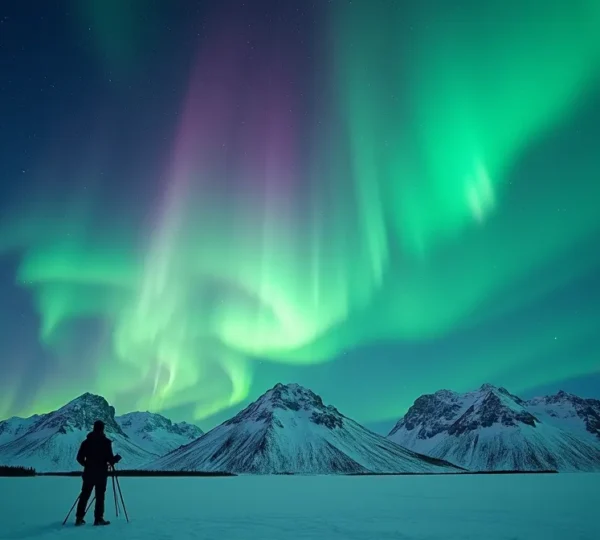
The secret to breathtaking aurora photos isn’t a specific camera setting; it’s a strategic system of prediction, preparation, and protection against the elements. Forecasting is more than the Kp index;…
Read more
The thrill of urbex is real, but so are the life-threatening risks the photos don’t show. Structural failure isn’t random; it follows predictable patterns of decay you can learn to…
Read more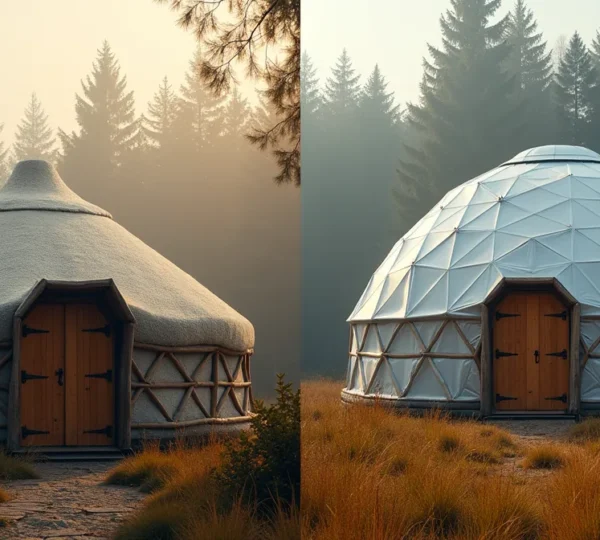
The debate over yurt vs. dome insulation misses the point; true glamping comfort comes from mastering the entire ‘building envelope,’ not just the structure’s shape. A structure’s R-value is only…
Read more
The common advice to simply “travel in the off-season” is no longer enough to address overtourism in Venice; a truly ethical visit requires a deeper shift in how you spend…
Read more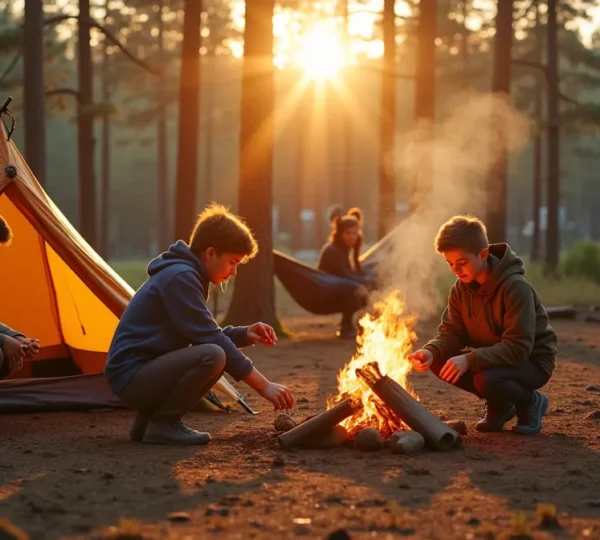
The key to a successful digital detox with teenagers isn’t banning phones; it’s making the real world more engaging by strategically reframing every camping challenge into a rewarding mission. Turn…
Read more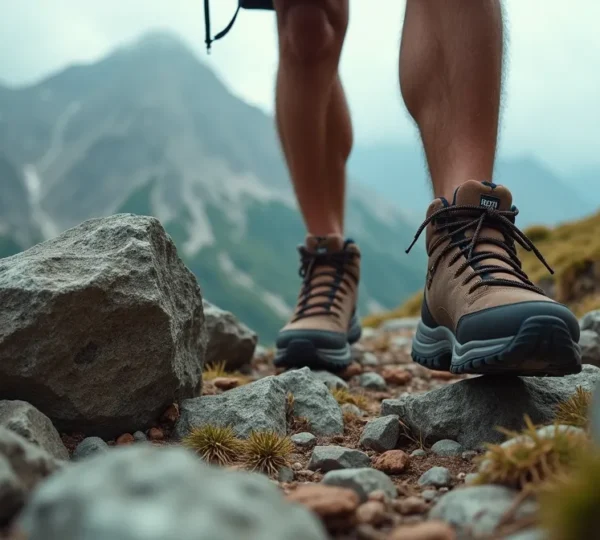
Contrary to popular belief, rigid ankle support is not the ultimate solution for preventing injuries on rocky terrain. True safety is determined by your personal ‘Kinetic Safety System’. Lighter, more…
Read more
In summary: Transform your local area into an adventure map by using satellite imagery to spot visual anomalies and forgotten spaces. This practice is more than a hobby; it actively…
Read more
The key to a transformative solo trip isn’t where you go, but how you intentionally structure your experience to manage your energy and foster self-discovery. This involves choosing your trip…
Read more