
The world of food extends far beyond simple sustenance. It encompasses a fascinating intersection of science, culture, adventure, and artistry that transforms everyday eating into meaningful discovery. Whether you’re curious about how certain ingredients affect your body and mind, eager to explore authentic flavors in unfamiliar neighborhoods, or ready to experiment with techniques once reserved for professional kitchens, the culinary landscape offers endless opportunities for learning and growth.
This comprehensive resource brings together the essential knowledge areas that define modern food exploration. From understanding the functional properties of what we consume to mastering preservation methods passed down through generations, each dimension of culinary discovery builds upon fundamental principles that anyone can learn. The journey ahead connects nutritional biochemistry with street food adventures, molecular precision with intuitive seasoning, creating a holistic foundation for both mindful eating and creative cooking.
The relationship between food and bodily function has evolved from folk wisdom into measurable science. Understanding this connection empowers you to make informed choices about what you consume and when, transforming your diet from passive habit into active health management.
Herbal teas and functional beverages represent one of the most accessible entry points into nutritional science. Unlike simple water, these drinks deliver bioactive compounds that interact with specific bodily systems. Chamomile contains apigenin, which binds to certain brain receptors to promote relaxation, while green tea provides L-theanine alongside caffeine for focused alertness without jitters. The key lies in understanding these mechanisms rather than relying on vague marketing claims.
When comparing sleep aids or cognitive enhancers, consider both the active ingredients and their absorption profiles. A valerian root capsule works differently than a warm passionflower infusion, not just chemically but in how your digestive system processes each form. Timing matters equally—consuming certain compounds too early or late can diminish their effectiveness or create unwanted interactions with other substances you’ve consumed.
One of the most overlooked aspects of functional nutrition involves dangerous interactions between seemingly harmless ingredients. Grapefruit juice famously interferes with dozens of medications, while certain herbal supplements can amplify or negate the effects of caffeine, creating unpredictable results. Think of your digestive system as a complex chemistry lab where multiple reactions occur simultaneously—introducing new compounds requires understanding the existing environment.
Sourcing quality ingredients becomes paramount when you’re consuming foods for their functional properties. A low-quality nootropic supplement might contain fillers that reduce bioavailability, while conventionally-grown herbs may carry pesticide residues that counteract their benefits. Evaluating synthetic versus natural forms requires nuance: synthetic vitamin C is molecularly identical to its natural counterpart, but whole-food sources provide complementary phytonutrients that enhance absorption.
Culinary tourism offers one of the richest forms of cultural education available. Food tells stories of migration, adaptation, economic conditions, and community values in ways that museums and textbooks cannot replicate. The challenge lies in accessing authentic experiences without exhausting your budget or compromising your health.
Urban food tourism doesn’t require expensive restaurant reservations. The most memorable culinary experiences often happen in neighborhood markets, family-run establishments, and street food stalls where locals actually eat. Identifying these hidden gems requires shifting your search strategy away from tourist-optimized recommendations toward community-validated spots.
Look for these reliable indicators of authenticity:
Navigating street food safety requires observation rather than avoidance. Watch for vendors who maintain clean workstations, cook food to proper temperatures, and use separate utensils for raw and cooked ingredients. High turnover indicates both popularity and freshness—food doesn’t sit under questionable temperature conditions when it’s constantly being prepared and consumed.
Sharing dishes effectively transforms individual tasting into collective exploration, but different cultures have specific protocols. Some cuisines expect communal eating from shared plates, while others consider it unhygienic. Timing your food tour matters too—arriving just as vendors set up means fresher ingredients but limited options, while late-night visits offer different specialties but potentially depleted quality.
Molecular gastronomy once seemed exclusive to high-end restaurants with specialized equipment, but many techniques have become surprisingly accessible. Understanding the science behind these methods demystifies them and reveals how precision can elevate everyday cooking.
The foundation of molecular techniques rests on accurate measurement and timing. Unlike traditional cooking where “a pinch” suffices, creating stable foams or perfect spheres requires gram-scale precision. This doesn’t mean cooking becomes joyless science—rather, precision in specific areas creates freedom for creativity elsewhere.
Selecting gelling agents demonstrates this principle perfectly. Agar-agar sets at room temperature and withstands heat, making it ideal for delicate jellies. Gelatin requires refrigeration and melts when warmed, perfect for textures that dissolve on the tongue. Sodium alginate creates instant spherification when dropped into calcium baths, producing caviar-like pearls that burst with flavor. Each agent serves distinct purposes based on the texture and presentation you envision.
Handling liquid nitrogen or dry ice introduces dramatic visual effects but demands respect for extreme temperatures. These substances cause instant frostbite on contact with skin and can create dangerous pressure buildups in sealed containers. The spectacle enhances dining experiences, but safety protocols aren’t optional—proper gloves, ventilated spaces, and controlled portions prevent accidents.
Plating the dish represents where technical precision meets artistic expression. The timing of service becomes critical with molecular preparations—a foam begins collapsing within minutes, frozen elements start melting immediately, and certain textures evolve as they reach room temperature. Understanding these time constraints shapes how you sequence your cooking and coordinate service.
Fermentation transforms ingredients through controlled microbial activity, creating complex flavors while extending shelf life. This ancient preservation method has experienced renewed interest as people seek connections to traditional foodways and gut-health benefits from probiotic-rich foods.
Fermentation safety hinges on creating environments where beneficial microbes thrive while harmful ones cannot. Salt ratios provide the primary control mechanism—too little salt allows pathogenic bacteria to flourish, while too much inhibits all microbial activity. Most vegetable ferments require 2-3% salt by weight, calculated against the total weight of vegetables and water combined.
Identifying mold types separates normal fermentation byproducts from genuine contamination. White kahm yeast looks alarming but poses no health risk and can simply be skimmed off. Fuzzy blue, black, or pink molds indicate contamination and require discarding the batch. The key distinction: benign growth appears on the surface and wipes away easily, while dangerous molds send filaments deep into the food.
Choosing the right vessel affects both fermentation success and safety. Glass allows you to monitor progress visually, while ceramic crocks maintain more stable temperatures. Avoid metal containers that can react with acidic ferments. The vessel size should allow for expansion and gas release without creating excessive headspace where mold can develop.
Controlling temperature determines fermentation speed and flavor development. Warmer conditions (70-75°F) accelerate the process but can produce mushy textures and overly sour flavors. Cooler temperatures (60-65°F) slow fermentation, developing more complex, nuanced taste profiles. Timing the fridge transfer stops fermentation at your desired flavor intensity—transfer too early and the ferment remains bland, too late and it becomes unpalatably acidic.
Beyond recipes and precise measurements lies intuitive cooking—the ability to assess ingredients, adjust techniques in real-time, and create satisfying dishes without rigid instructions. This skill develops through understanding fundamental principles and practicing their application across varied scenarios.
Balancing the five tastes (sweet, salty, sour, bitter, umami) creates harmonious dishes where no single element dominates. Think of taste balance like mixing paint colors—adding sweetness to a too-sour sauce doesn’t eliminate the acidity but creates a sweet-tart balance where both notes shine. Umami depth from mushrooms, tomatoes, or aged cheese adds satisfaction without identifiable flavor, while strategic bitterness cuts richness.
Substituting ingredients successfully requires understanding their functional roles rather than just flavor profiles. Replacing butter in a recipe means considering whether it provides fat content, moisture, flavor, or structural properties. Applesauce can replace some fat for moisture but won’t create the same tender crumb. This analytical approach transforms substitution from guesswork into informed decision-making.
Mastering heat control separates adequate cooking from excellence. High heat sears proteins and caramelizes sugars but burns delicate ingredients. Low heat gently coaxes flavors from aromatics without bitterness. The same ingredient behaves completely differently at different temperatures—garlic becomes sweet and mellow when slowly warmed, harsh and acrid when scorched.
Using aromatics effectively depends on when you introduce them. Hard aromatics like onions and carrots need time to soften and release sweetness. Fresh herbs added too early lose their brightness, while those added at the finish provide vibrant flavor. Whole spices bloom in hot oil to release essential oils, but ground spices added to high heat turn bitter. Timing the seasoning throughout cooking builds layered complexity—salt added early draws out moisture and concentrates flavors, while finishing salt provides textural contrast and bright highlights.
The culinary discoveries outlined here represent interconnected skills rather than isolated techniques. Nutritional awareness informs ingredient selection, cultural exploration expands your flavor vocabulary, technical precision builds confidence, fermentation connects you to traditional foodways, and intuitive cooking synthesizes everything into personal expression. Start with whichever dimension sparks your curiosity—each pathway leads deeper into the endlessly rewarding world of food.
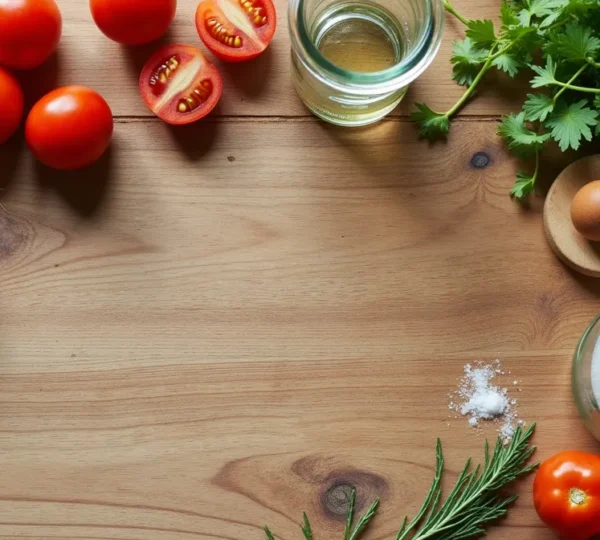
The secret to cooking amazing food from scraps isn’t magic intuition; it’s understanding the simple, scientific rules of flavor that recipes never teach you. Every bland or unbalanced dish can…
Read more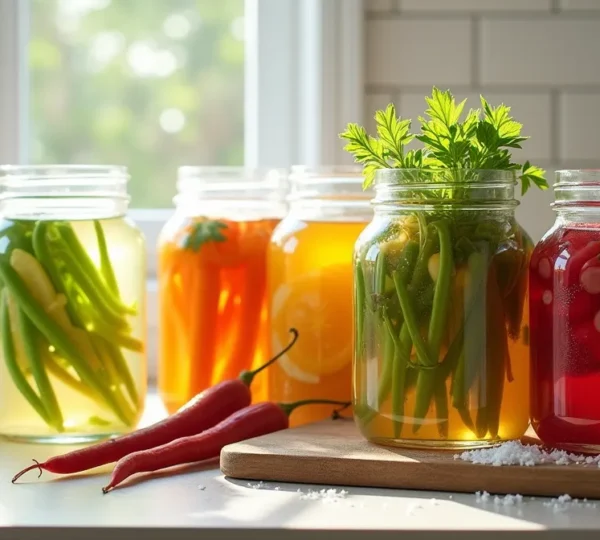
The fear of botulism in home fermentation is valid, but it is 100% preventable by mastering the scientific principles of acidity and salinity, not just by following a recipe. A…
Read more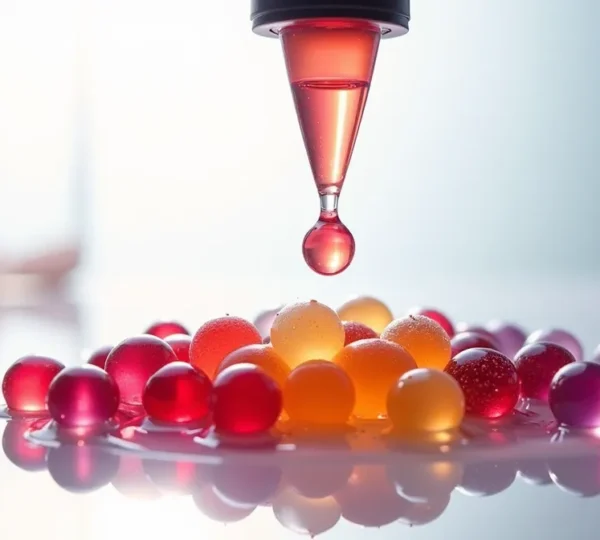
In summary: Successful molecular gastronomy is not about recipes, but about precise control over chemical and physical parameters. Mastering spherification requires a digital scale with 0.1g accuracy; volumetric spoons are…
Read more
To truly explore your city’s food on a budget, you must think like a culinary detective, not just a tourist. Decode hidden signals in menu design to instantly spot authentic…
Read more
Achieving sustained focus isn’t about a magic coffee recipe; it’s about engineering a precise neuro-metabolic protocol. The jitteriness and crash from coffee are design flaws, not features. Stacking caffeine with…
Read more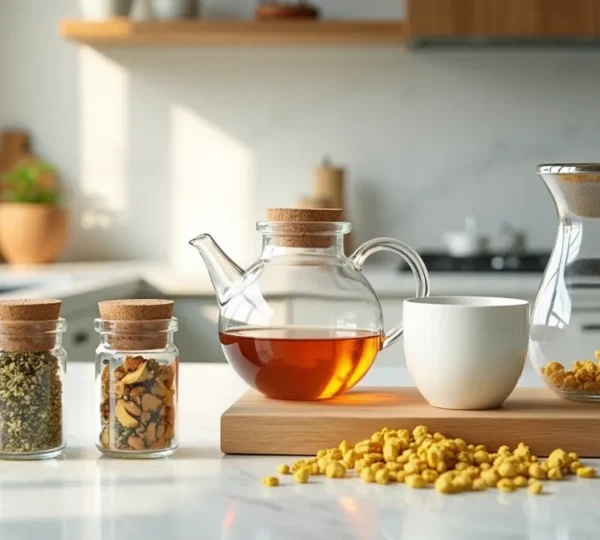
Brewing potent medicinal tea isn’t about one-size-fits-all rules; it’s about matching your method to the specific herb’s chemistry. Tough roots and barks (like Valerian or Ginger) require a decoction (simmering)…
Read more